Aligning Performance Benchmarks with Compliance Frameworks Across Gaming Platforms
Written by Zoe Schmitt · May 29, 2026
Aligning Performance Benchmarks with Compliance Frameworks Across Gaming Platforms
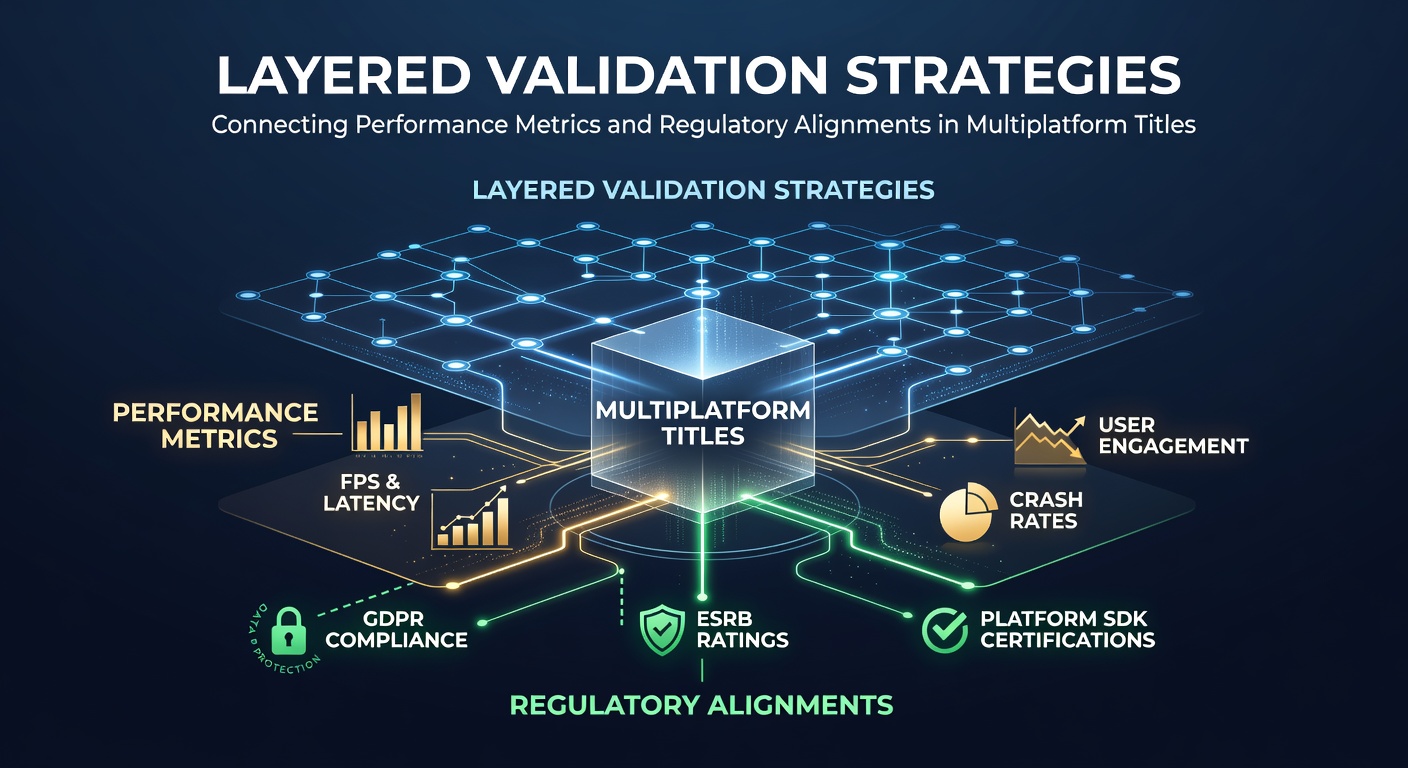
Multiplatform titles require validation strategies that layer performance metrics directly onto regulatory requirements, creating integrated checkpoints rather than isolated tests. Developers track frame rates, input latency, and memory usage while simultaneously verifying adherence to accessibility standards, data protection rules, and content classification guidelines across consoles, PCs, and mobile devices. These layers operate in sequence so that a performance shortfall in one environment triggers immediate review against compliance criteria that apply to the same build.
Performance Metrics as Foundation Layers
Teams measure stability indicators such as average frames per second, peak memory allocation, and network packet loss during automated test cycles, then map those numbers to platform-specific thresholds set by hardware manufacturers. Research from industry reports shows that consoles enforce stricter thermal and power limits than mobile devices, which forces separate metric targets even when the same game code runs on both. Observers note that early detection of a 15 percent frame drop on one platform often reveals similar risks on another once the data sets are cross-referenced, allowing adjustments before certification submissions.
Regulatory Alignments Added to Each Layer
Once baseline performance numbers are recorded, validation moves to regulatory overlays that cover user data handling, age-appropriate content flags, and accessibility features such as subtitle scaling or color-blind modes. The European Commission’s digital services framework, updated in recent cycles, requires documented evidence that performance optimizations do not compromise privacy controls, so test logs now include timestamps linking frame-rate fixes to encryption checks. In May 2026 several regions began requiring synchronized reporting where performance dashboards feed directly into compliance portals, reducing duplicate audits for studios releasing on multiple storefronts simultaneously.
Connecting the Layers Through Shared Data Pipelines
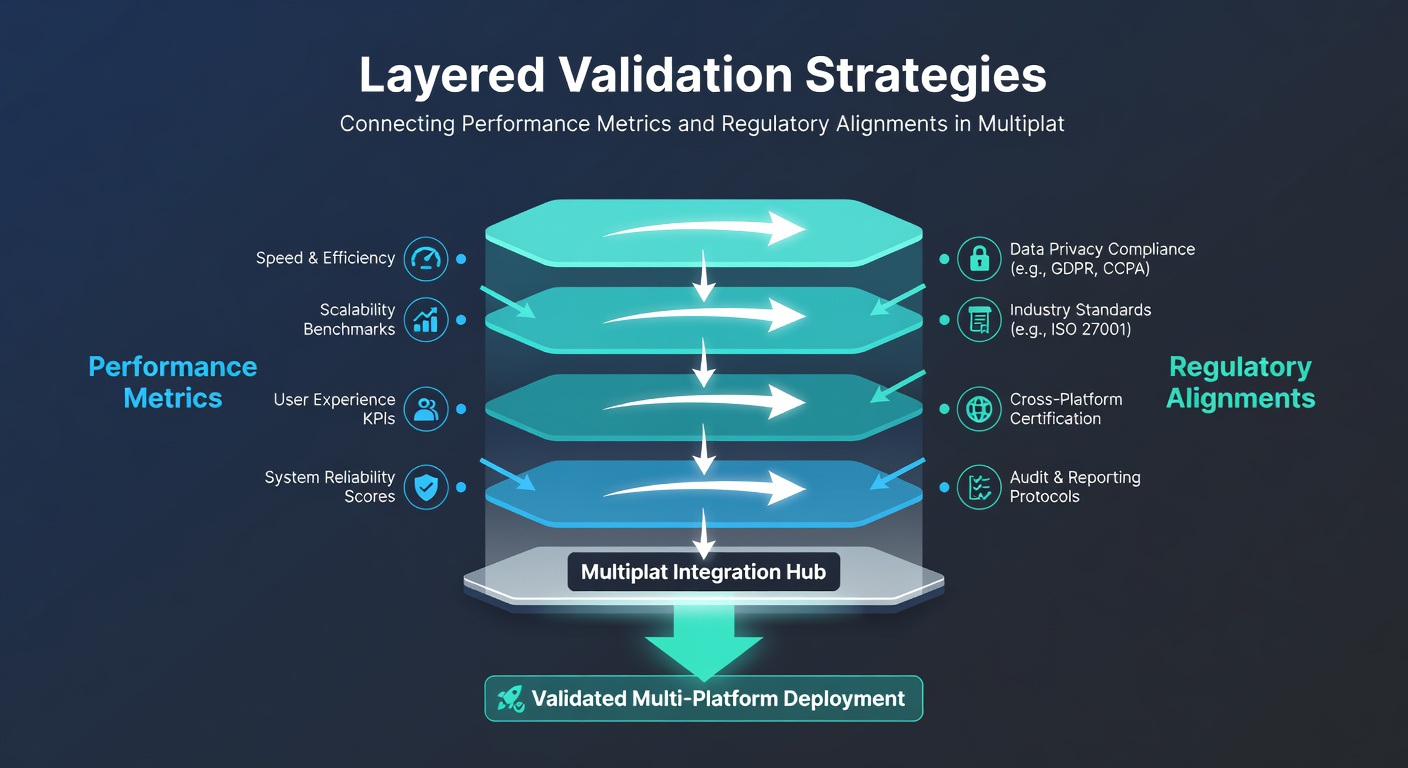
Shared data pipelines allow performance results to populate regulatory checklists without manual re-entry, cutting review cycles. A drop in load times on a high-end PC build can automatically flag a potential violation of mobile data-usage caps if the same asset bundle exceeds carrier limits. Studies conducted by university game labs have documented that studios using unified dashboards reduce certification resubmissions by measurable margins because every metric update carries attached compliance tags from the outset. Those who manage these pipelines report fewer last-minute changes when hardware vendors release new driver versions mid-cycle.
Case Examples from Recent Releases
One studio released a cross-generation title and used layered checks to confirm that a memory optimization on PlayStation hardware also satisfied Australian classification board requirements for content warnings triggered by high-intensity sequences. Another project tracked network latency across regions and tied those figures to Canadian privacy regulations governing real-time player data collection, ensuring the same validation report served both performance tuning and legal filing. These examples illustrate how metrics collected for one purpose satisfy multiple downstream obligations when the layers are deliberately connected.
Challenges in Maintaining Layer Integrity
Platform updates can shift metric targets overnight, requiring rapid re-mapping of regulatory evidence. When a console firmware change alters power-draw reporting, teams must verify that accessibility features remain within new thermal envelopes without introducing input lag. Data from trade association surveys indicate that studios maintaining version-controlled mapping tables experience shorter turnaround when such shifts occur. The process demands continuous synchronization between engineering dashboards and legal review teams so that a single performance regression does not cascade into multiple compliance failures.
Conclusion
Layered validation strategies succeed when performance metrics and regulatory alignments share the same data pathways from the first test run through final certification. Studios that embed compliance tags inside performance logs reduce redundant work while meeting the distinct requirements of each platform and jurisdiction. As hardware evolves and regulatory expectations tighten, the same connected approach continues to provide traceable records that satisfy both technical and legal reviewers.