Certification Crossroads: Merging Aggregated Player Feedback with Layered Technical Assessments for Game Launches
Written by Devon Schröder · Aug 14, 2026
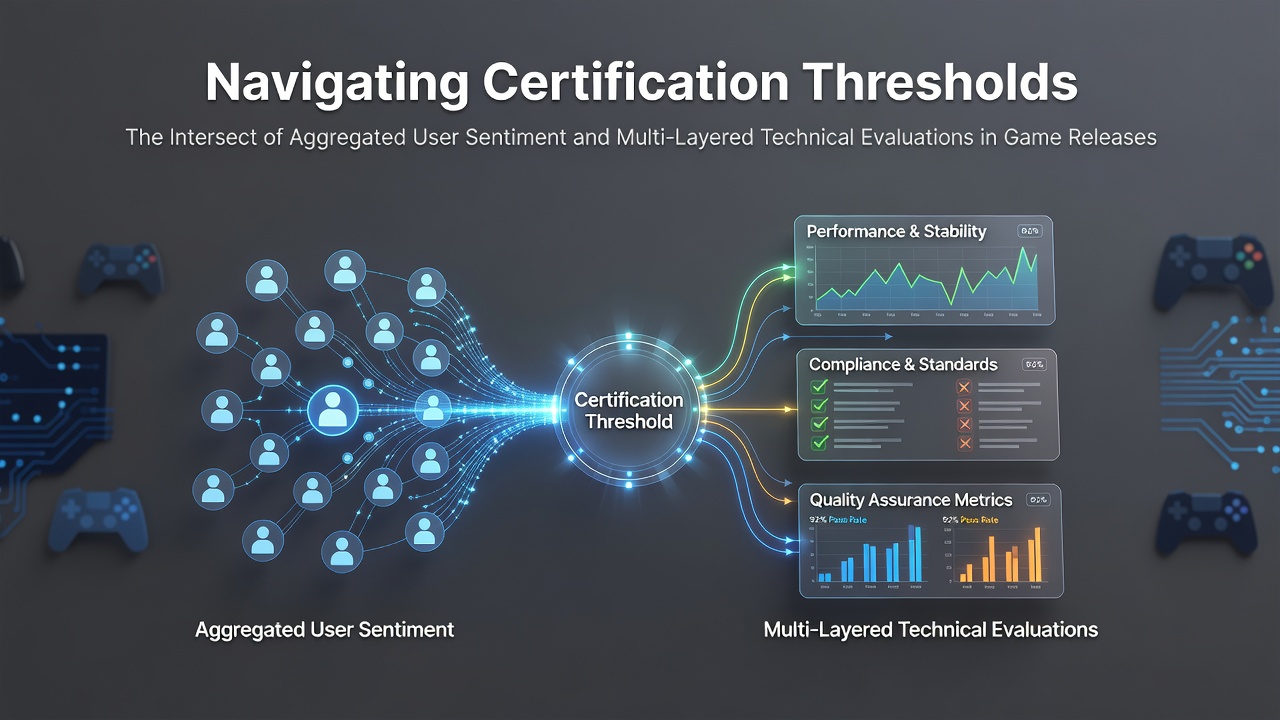
Certification Crossroads: Merging Aggregated Player Feedback with Layered Technical Assessments for Game Launches
Game releases today pass through certification thresholds that combine aggregated user sentiment with multi-layered technical evaluations, creating pathways where player input and system checks determine approval timelines. Developers submit builds to platform holders and rating bodies, while analytics teams track review scores, social mentions, and survey responses that feed into sentiment models. These models run alongside hardware stress tests, compliance audits, and performance benchmarks that measure frame consistency, load times, and cross-device compatibility.
How Sentiment Aggregation Influences Threshold Decisions
Platforms collect millions of data points from early access programs, beta forums, and post-launch reviews, then process them through natural language tools that score positivity, flag recurring complaints, and track shifts over weeks. In August 2026 several console certification programs updated their weighting formulas to give higher priority to recent sentiment trends from verified purchasers, according to documentation released by the Entertainment Software Association. Studios that monitor these dashboards can adjust patches before final submission, reducing the chance of rejection notices tied to widespread reports of connectivity drops or progression bugs.
Multi-Layered Technical Evaluations in Practice
Technical evaluations unfold across multiple layers that begin with automated scans for code vulnerabilities and memory leaks, move through manual gameplay sessions on target hardware configurations, and conclude with accessibility and localization checks required by regional regulators. Observers note that European Union digital services guidelines encourage standardized reporting formats that let developers map test results directly to certification criteria, while Canadian and Australian classification offices maintain separate but overlapping requirements for content descriptors and age ratings. Research from university game labs indicates that titles passing at least three independent hardware validation suites show fewer post-release stability incidents tracked in public bug databases.
Where the Two Streams Converge
Certification teams examine dashboards that overlay sentiment heat maps onto technical metrics, revealing patterns such as clusters of negative reviews coinciding with specific device models that failed certain benchmark suites. One mid-sized studio released a multiplayer title in early 2026 and used real-time feedback loops to identify a controller input lag reported predominantly on a single console revision; engineers isolated the issue through targeted stress testing, issued a day-one patch, and cleared the final certification gate within the revised window. Data from industry reports shows that projects integrating sentiment signals at the midpoint of the evaluation cycle achieve faster turnaround on conditional approvals compared with those relying solely on internal test logs.
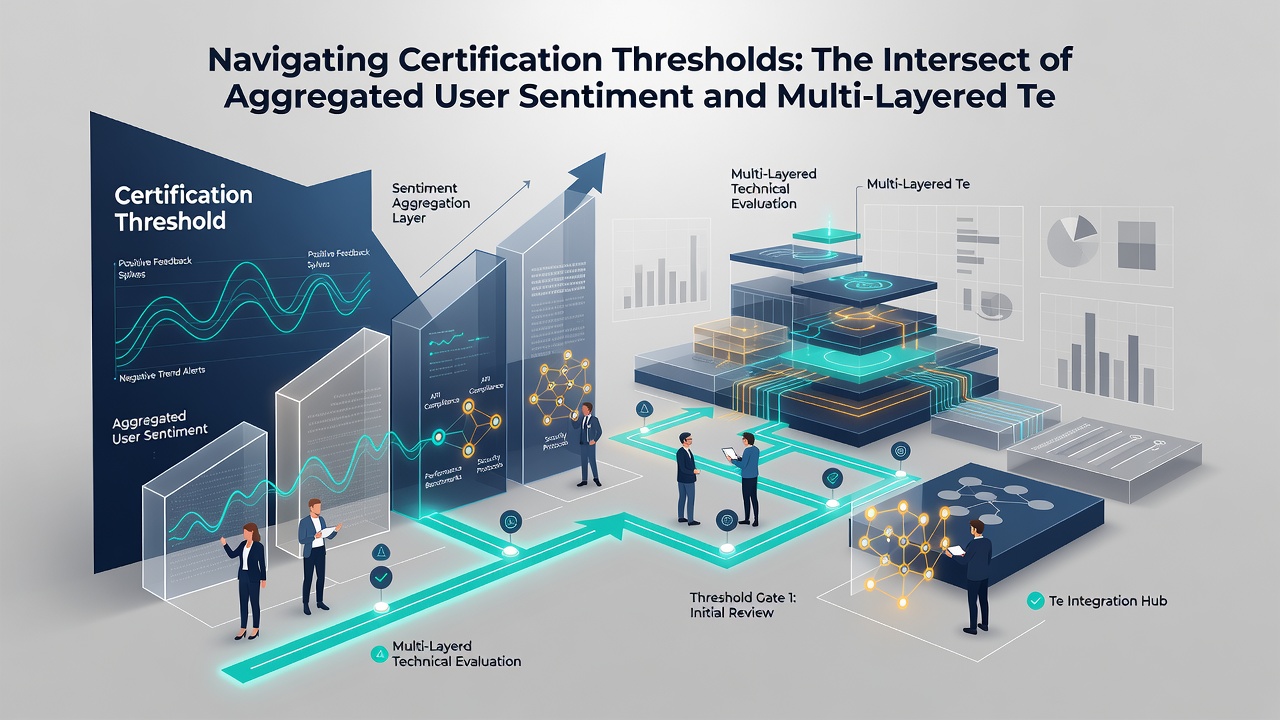
Platform-Specific Threshold Variations
Each storefront and console manufacturer maintains distinct pass/fail criteria yet increasingly accepts supplementary evidence from aggregated player data when borderline technical results appear. Mobile distribution channels, for instance, weigh average session duration and crash-rate telemetry alongside code-review scores, whereas PC storefronts emphasize modding compatibility reports and user-generated content sentiment. Those who've studied certification workflows across regions point out that alignment between these varied requirements reduces duplication of effort for cross-platform releases, allowing shared test suites to satisfy multiple gatekeepers simultaneously.
Emerging Practices in 2026
By August 2026 several certification bodies began piloting machine-learning classifiers that ingest both review text and performance telemetry to predict certification risk scores before formal submission. Early adopters report that these tools flag potential threshold breaches earlier in the pipeline, giving teams time to address issues such as localized frame drops or accessibility gaps that surface only after large-scale user exposure. Academic papers examining these pilots highlight correlations between pre-certification sentiment stability and lower rates of post-launch hotfixes across sampled titles.
Conclusion
Certification pathways continue to evolve as platforms refine the balance between collective player sentiment and rigorous technical scrutiny, with data streams from both domains feeding into unified decision frameworks. Studios that maintain synchronized monitoring of review aggregates and layered evaluation results position their releases to meet shifting thresholds across global markets while minimizing delays.