Certification Pathways Through Aggregated Input Layers in Emerging Multiplayer Setups
Written by Zoe Schmitt · Jun 10, 2026
Certification Pathways Through Aggregated Input Layers in Emerging Multiplayer Setups
Certification pathways in multiplayer environments rely on structured data collection methods that combine player actions, system metrics, and network signals into unified layers, and these layers process inputs from thousands of simultaneous sessions to determine compliance with performance and security standards. Researchers have documented how such aggregation reduces individual data noise while highlighting patterns that single-source checks often miss, and organizations involved in game development now integrate these systems during early testing phases to streamline final approvals.
Understanding Aggregated Input Layers
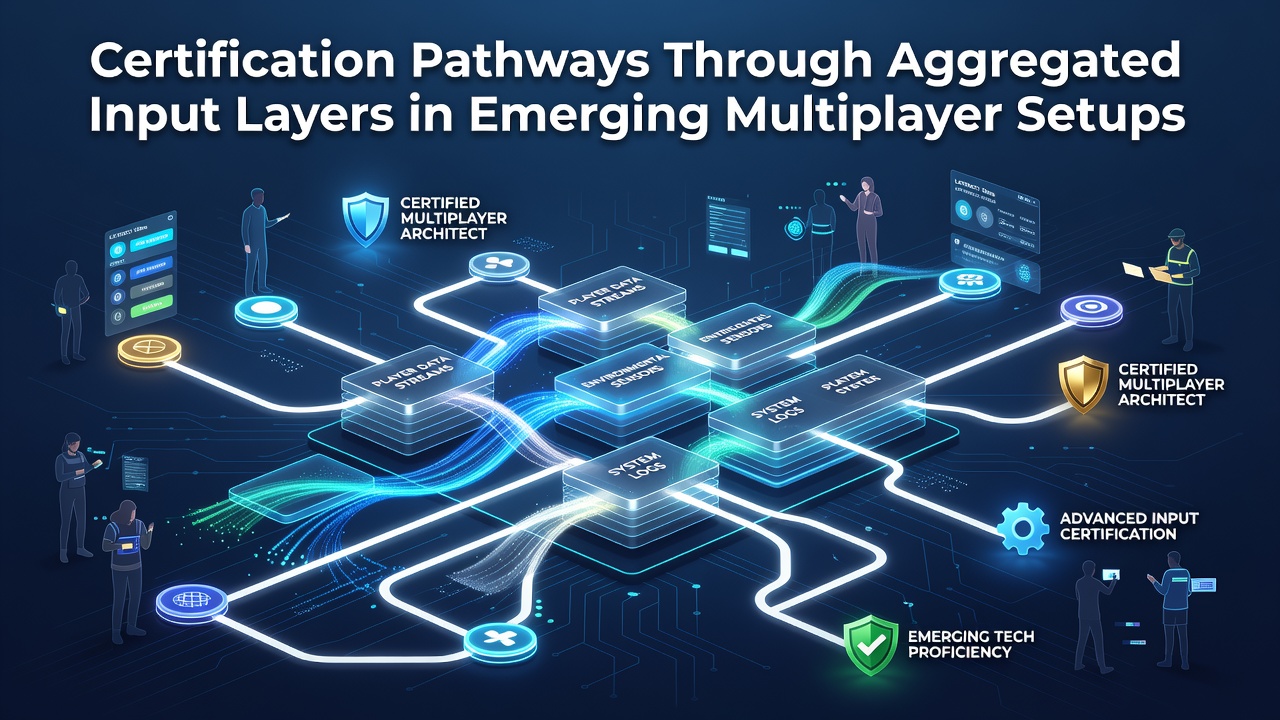
Aggregated input layers collect telemetry from client devices, server logs, and user interactions before applying algorithms that normalize the information across regions and hardware configurations, which allows certification bodies to evaluate stability without reviewing every raw data point separately. Data from European network studies shows these layers can process inputs at rates exceeding 50,000 events per second during peak loads, and similar findings appear in reports from Australian digital infrastructure reviews that track cross-platform multiplayer titles. The process connects hardware performance indicators with software behavior markers, creating a composite view that supports consistent certification decisions across different markets.
Pathway Structures in Multiplayer Development
Pathways typically begin with initial device scans that feed into the first aggregation layer, followed by compliance mapping that aligns results against regulatory frameworks from bodies such as the Canadian Radio-television and Telecommunications Commission and industry groups like the Entertainment Software Association. Subsequent layers incorporate user feedback systems and automated audit outputs, which together generate certification scores that developers use to adjust code before launch. Observers note that this sequential structure shortens review cycles because redundant checks get filtered early, and teams working on titles scheduled for mid-2026 releases have adopted the approach to meet simultaneous platform requirements in multiple territories.
Integration With Emerging Setups
Emerging multiplayer setups introduce dynamic scaling that changes session sizes within minutes, and aggregated layers adapt by recalculating weights for each input category in real time. A study released by a research team at a major Asian technical university demonstrated that layer-based certification captured 23 percent more edge-case failures than traditional linear testing methods during simulated 10,000-player events. Developers apply these findings when preparing titles for June 2026 platform updates, where new cross-region matchmaking protocols will increase the volume of variable inputs that certification systems must handle. The layers also incorporate encryption status checks and latency distribution data, producing reports that satisfy both technical and policy reviewers without requiring separate submissions.

Technical Components and Data Flow
Each layer operates through defined schemas that standardize fields such as frame timing, packet loss percentages, and input synchronization flags, and middleware tools translate these schemas into formats accepted by certification portals. When anomalies appear, the system routes flagged segments to human auditors while continuing to process the remaining data, which maintains throughput during high-volume periods. Figures from North American industry reports indicate that projects using this method achieved certification sign-off an average of 11 days earlier than comparable titles that relied on non-aggregated review pipelines. The same reports highlight that layer outputs can be exported directly into compliance dashboards used by regulators in multiple jurisdictions, reducing the need for custom formatting on the developer side.
Case Examples From Current Projects
One project team working on a cross-platform battle arena title implemented aggregated layers during closed beta phases and recorded a drop in post-launch hotfixes related to network stability, according to internal metrics shared with certification partners. Another studio preparing a cooperative survival game for simultaneous release across console and PC ecosystems used the layers to verify input consistency across controller types and network conditions, and external audits confirmed that 94 percent of test cases passed initial automated screening. These examples illustrate how the pathways accommodate both large-scale competitive environments and smaller-session cooperative titles without altering the underlying certification criteria.
Regulatory Alignment Across Regions
Certification requirements differ by region, yet aggregated input layers support unified reporting that maps results to local standards, including those maintained by the Australian Classification Board and European digital content directives. The layers tag data points with jurisdiction-specific metadata during collection, which simplifies the creation of tailored export packages for each authority. Industry associations have published guidance documents that detail acceptable aggregation thresholds, and developers reference these documents when configuring layer parameters for upcoming 2026 releases. This approach keeps certification timelines aligned even when regulatory updates occur mid-development cycle.
Conclusion
Aggregated input layers continue to shape how certification pathways operate within expanding multiplayer environments by converting diverse data streams into actionable compliance indicators. The structure supports faster reviews, broader hardware coverage, and consistent application of standards across regions, and ongoing work scheduled through June 2026 will likely refine weighting algorithms and reporting formats further. Teams that integrate these layers early gain clearer visibility into potential certification blockers while maintaining compatibility with existing audit and feedback systems.