Charting Validation Routes: Linking Software Reviews to Hardware Benchmarks in Cross-Platform Releases
Written by Nils Sullivan · Aug 5, 2026
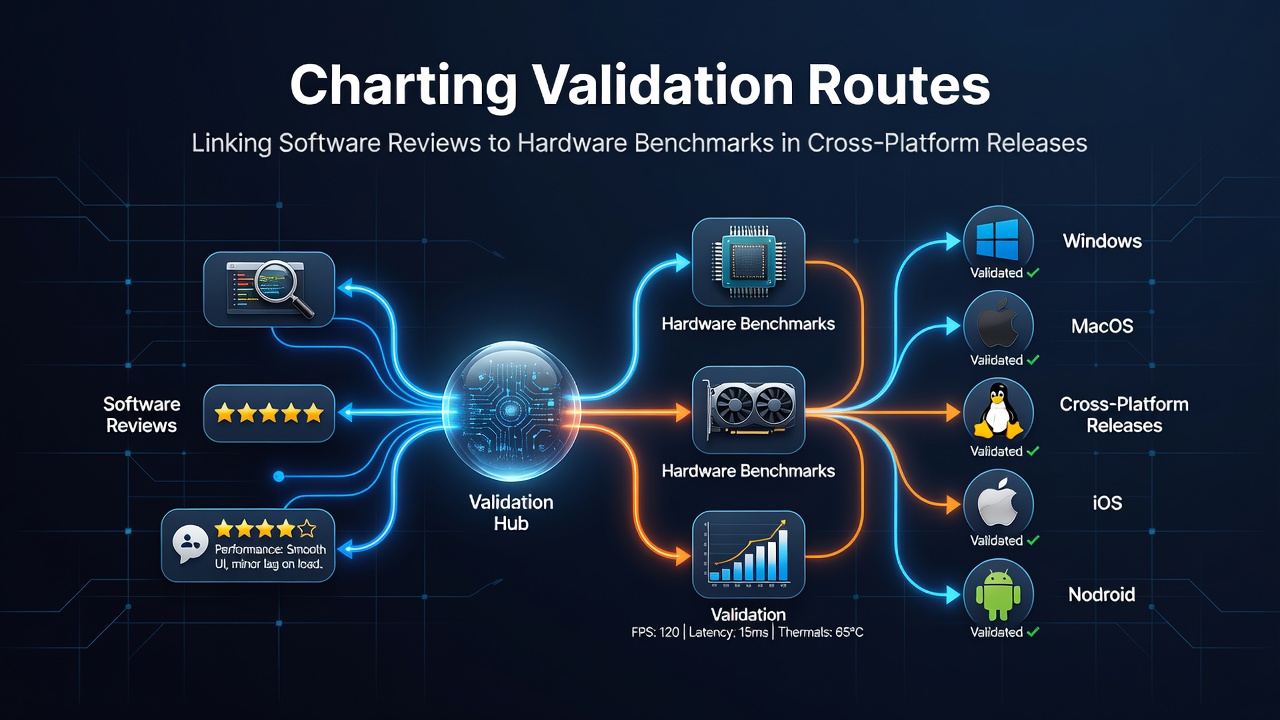
Charting Validation Routes: Linking Software Reviews to Hardware Benchmarks in Cross-Platform Releases
Cross-platform game releases require structured validation routes that connect software review outcomes directly to hardware benchmark results, and developers follow these pathways to ensure consistent performance across devices. Research indicates that teams map review findings on code stability and feature compliance onto benchmark data from processors, graphics units, and memory configurations, which creates traceable links between the two assessment layers.
Defining Validation Pathways in Multi-Platform Environments
Validation pathways begin when software reviews identify functional issues or compliance gaps, after which teams route those results to hardware benchmark suites that measure frame rates, load times, and thermal behavior on target platforms. Observers note that this routing process relies on standardized data formats so that a review flag for input latency can trigger specific benchmark tests on consoles, PCs, and mobile hardware simultaneously. Data from industry reports shows that organizations using unified routing systems reduce redundant testing cycles by measurable percentages during release windows.
Software Review Components and Their Output Formats
Software reviews examine source code, asset integration, and network behavior through automated scans and manual checks, producing structured reports that list defect categories, severity levels, and reproduction steps. Those who study these processes find that review outputs often include tagged metadata fields designed for direct import into benchmark management tools, allowing hardware teams to prioritize tests that match flagged software concerns. Figures from development pipelines reveal that review reports generated in August 2026 incorporated additional fields for cross-platform API usage, reflecting updates in graphics and input libraries released earlier that year.
Hardware Benchmark Integration Points
Hardware benchmarks collect quantitative measurements on rendering performance, power draw, and storage throughput across device families, and validation routes feed software review data into these tests through automated triggers. Researchers discovered that benchmark suites now accept review-derived parameters such as expected draw-call counts or shader complexity levels, which lets teams run targeted stress sequences instead of full sweeps. Evidence from multi-platform projects demonstrates that this integration shortens the time between identifying a software issue and confirming its hardware impact on specific chipsets.
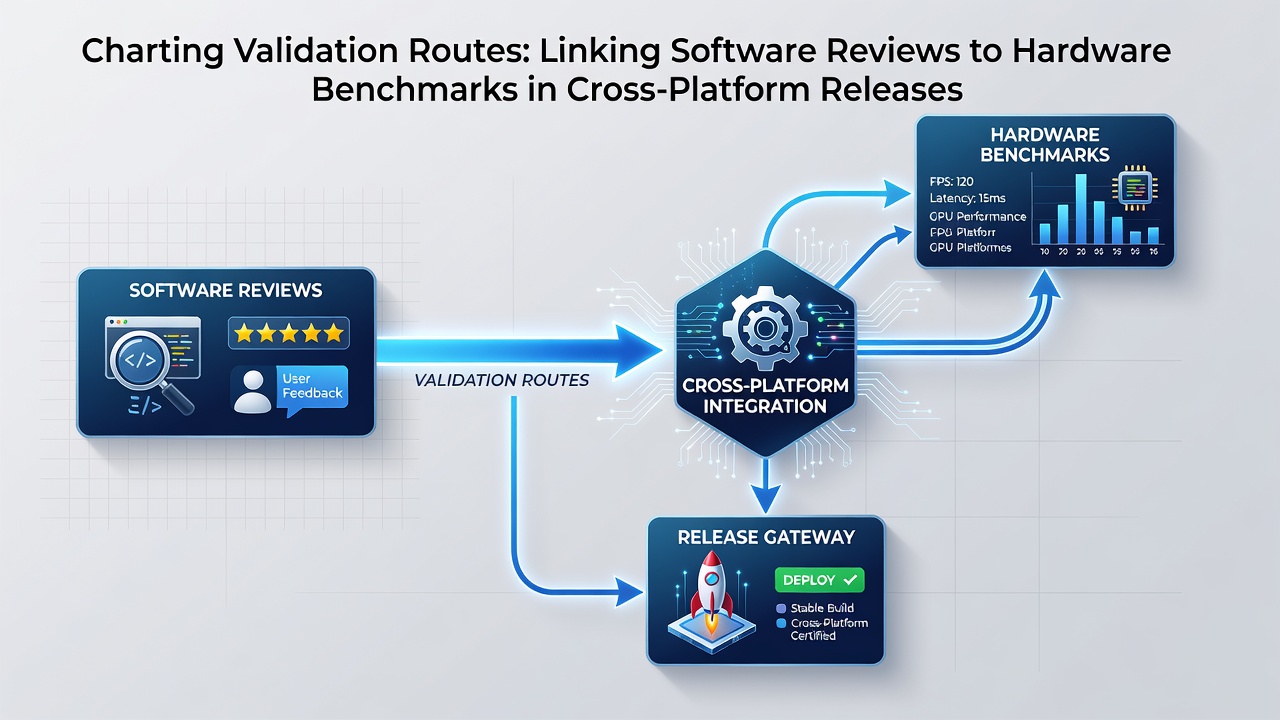
Cross-Platform Release Coordination Mechanisms
Release coordination depends on shared dashboards that display both review status and benchmark results side by side, while automated alerts notify teams when a software review item lacks corresponding hardware data. Those who've examined release timelines note that platforms with strong routing links between these datasets achieve certification milestones earlier because discrepancies surface during development rather than at final submission. According to the Entertainment Software Association, coordinated validation approaches appear in an increasing share of titles targeting simultaneous launches on multiple hardware generations.
Case Examples from Recent Development Cycles
One studio working on a physics-heavy title routed review findings about collision detection errors straight into benchmark protocols that measured particle system loads on mid-range GPUs, which allowed rapid identification of platform-specific slowdowns. Another group handling a multiplayer title linked network review logs to hardware tests tracking packet processing under varying CPU clock speeds, revealing stability differences across regional server hardware. Data shows these linked routes helped both teams adjust asset budgets before certification deadlines.
Standards and Measurement Practices Emerging in 2026
Standards bodies updated validation guidelines in mid-2026 to require explicit mapping between software review categories and benchmark metrics, and developers now document these mappings in release documentation. Academic studies from institutions in Canada and the European Union indicate that projects following the updated mapping protocols report fewer post-launch performance variances across device classes. The European Games Developer Federation published aggregated figures showing improved alignment between review outputs and benchmark results in titles certified after the guideline changes took effect.
Conclusion
Validation routes that link software reviews to hardware benchmarks continue to shape cross-platform release strategies, with teams relying on integrated data flows to maintain performance consistency. Continued refinement of these connections supports efficient certification processes as hardware diversity expands and software complexity grows.