Community Feedback Integration: Merging User Sentiments and Performance Metrics in Platform Certification Processes
Written by Devon Schröder · Jun 14, 2026
Community Feedback Integration: Merging User Sentiments and Performance Metrics in Platform Certification Processes
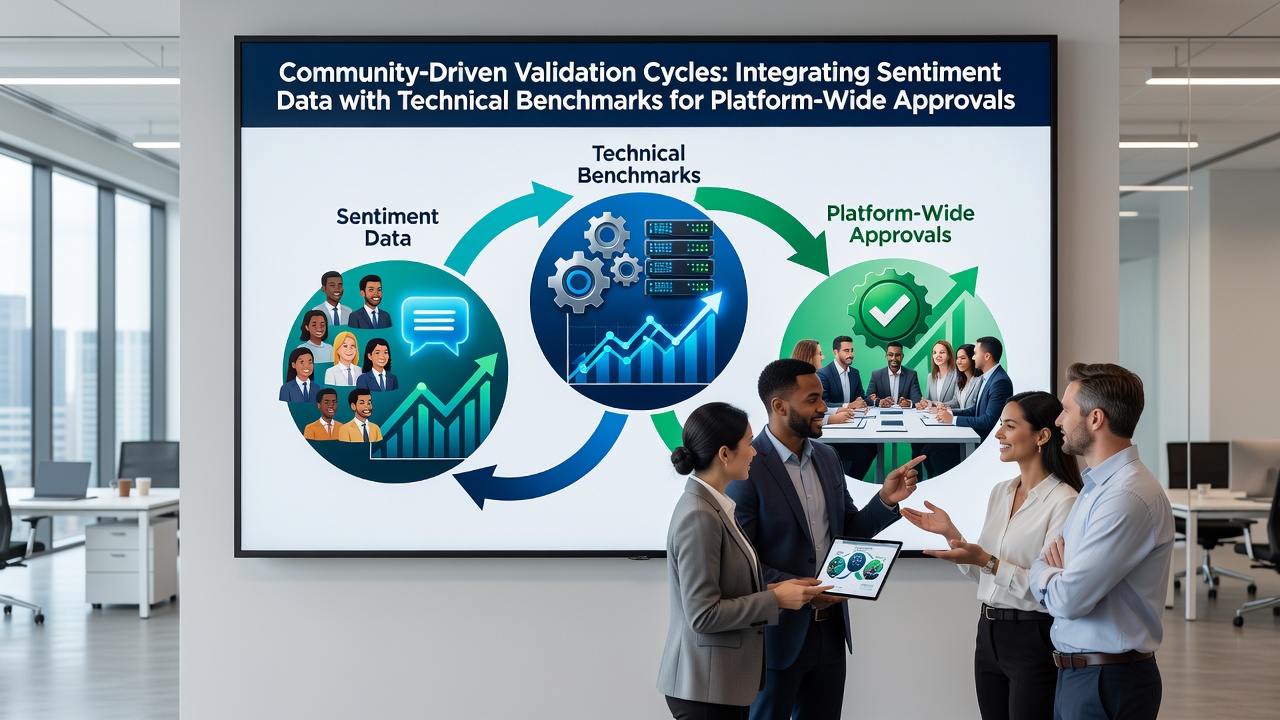
Platforms across digital ecosystems now combine community sentiment data with technical benchmarks to determine approvals that affect entire networks of applications and services. This approach gathers user reviews, ratings, and discussion patterns from forums alongside measurable performance indicators such as load times, stability scores, and security compliance checks. Organizations track these inputs through structured cycles where aggregated opinions influence whether a product meets thresholds for distribution on multiple operating systems and devices simultaneously.
Data Collection Mechanisms in Validation Cycles
Developers and platform operators collect sentiment through structured surveys, in-app prompts, and public discussion threads while technical teams run automated tests that log frame rates, memory usage, and error frequencies. Researchers at institutions like Stanford University have documented how natural language processing tools parse thousands of reviews to extract positive or negative trends that align with specific benchmark failures. When sentiment scores drop below established levels in regions reporting similar hardware configurations, validation teams trigger deeper audits that examine code paths and hardware interactions before granting platform-wide clearance.
Technical Benchmarks as Anchors for Approval Decisions
Benchmarks cover categories including frame consistency under variable network conditions, encryption strength during data transfers, and adherence to accessibility standards required by regulatory frameworks. Figures from industry reports indicate that products passing both sentiment thresholds and benchmark criteria experience fewer post-launch recalls. Observers note that these combined evaluations reduce instances where community complaints surface after initial distribution because early signals from user groups flag potential issues that pure technical scans might overlook.
Integration Points Between Sentiment and Benchmarks
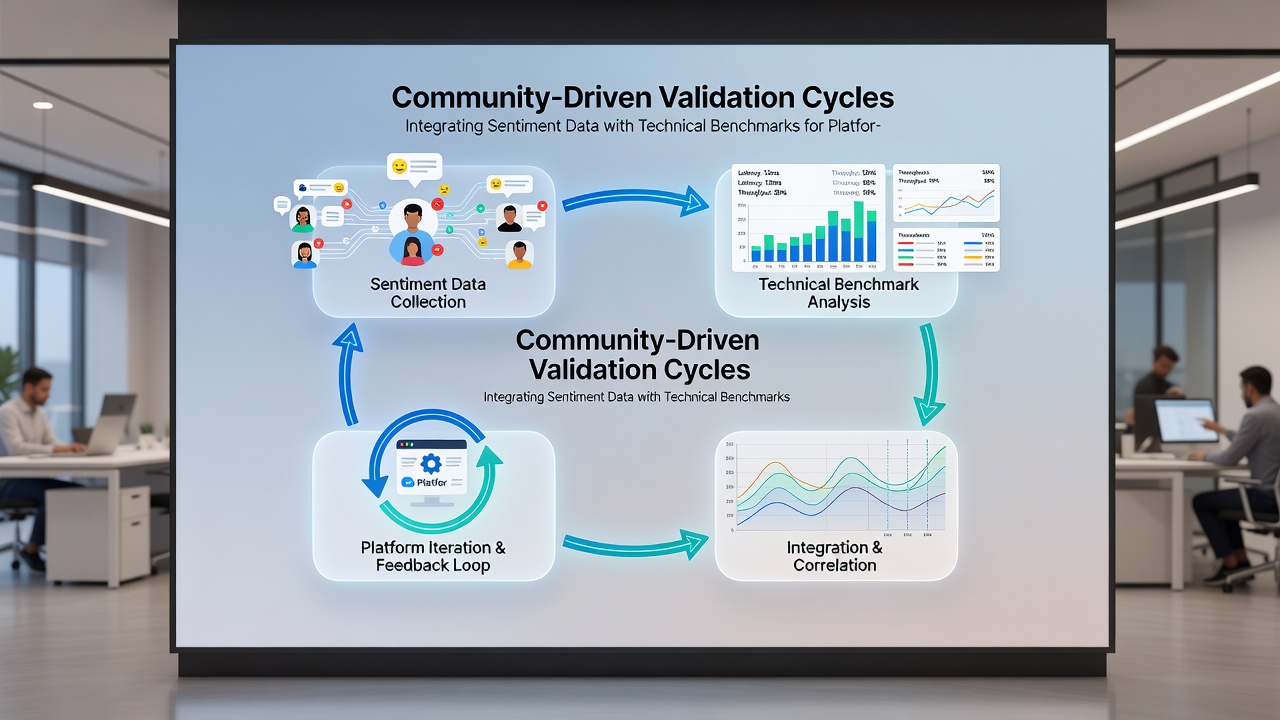
Validation teams map sentiment keywords to corresponding benchmark categories so that complaints about input lag connect directly to measured response times across device grids. This mapping allows platforms to weight community input proportionally to the severity indicated by performance data. For example, widespread mentions of crashes during multiplayer sessions prompt immediate cross-checks against stability logs collected during stress testing phases. Those who've studied these systems report that synchronized data streams shorten the time between feedback receipt and corrective action.
Platform-Wide Approval Pathways
Once integrated data sets reach consensus thresholds, certification bodies issue approvals that apply across console, mobile, and PC environments at once. The process incorporates geographic variations because user sentiment in one market may highlight localization problems while benchmarks remain consistent globally. Data from the European Commission's digital services monitoring shows coordinated reviews help identify regional compliance gaps before full rollout occurs. Teams then adjust parameters so that approvals reflect both aggregated opinions and uniform technical performance across borders.
Case Examples from Recent Implementation Periods
One development studio adjusted multiplayer synchronization after community reports of desync events aligned with benchmark readings showing packet loss spikes above 2 percent on specific network types. Another case involved an update cycle in early 2025 where sentiment analysis flagged accessibility concerns that technical audits later confirmed through interface response testing. These instances demonstrate how the fusion of sources accelerates identification of issues that would otherwise surface only after wide distribution. In June 2026, several major platforms plan to release updated dashboards that visualize these combined data flows for participating developers.
Challenges in Maintaining Balanced Evaluation
Volume differences between sentiment inputs and benchmark outputs require careful normalization so that popular products do not receive undue advantage from review quantity alone. Platforms address this through statistical sampling that selects representative subsets of feedback for comparison against full benchmark suites. Industry groups such as the Entertainment Software Association have published guidelines on weighting methods that maintain objectivity when community volume varies by title. Those applying these methods observe that balanced integration leads to approvals reflecting actual user experience rather than isolated data spikes.
Future Directions for Validation Systems
Emerging tools incorporate machine learning models that predict approval likelihood by analyzing historical sentiment-benchmark pairings from past releases. Academic papers from research teams at the University of Melbourne outline frameworks where real-time data streams feed into decision engines that flag products needing additional review cycles. These advancements build on existing practices without replacing the core requirement that both community signals and technical measurements reach acceptable levels before platform-wide distribution proceeds.
Conclusion
Community-driven validation cycles that integrate sentiment data with technical benchmarks establish structured pathways for platform approvals by connecting user-reported patterns directly to measurable performance criteria. This method supports consistent outcomes across diverse hardware setups and geographic markets while shortening response times to emerging issues. Continued refinement of mapping techniques and data normalization processes will shape how platforms manage certifications in subsequent release cycles.