Coordinating Device Diagnostics, Code Examinations, and User Contributions Across Multi-Platform Game Certification
Written by Nils Sullivan · Aug 21, 2026
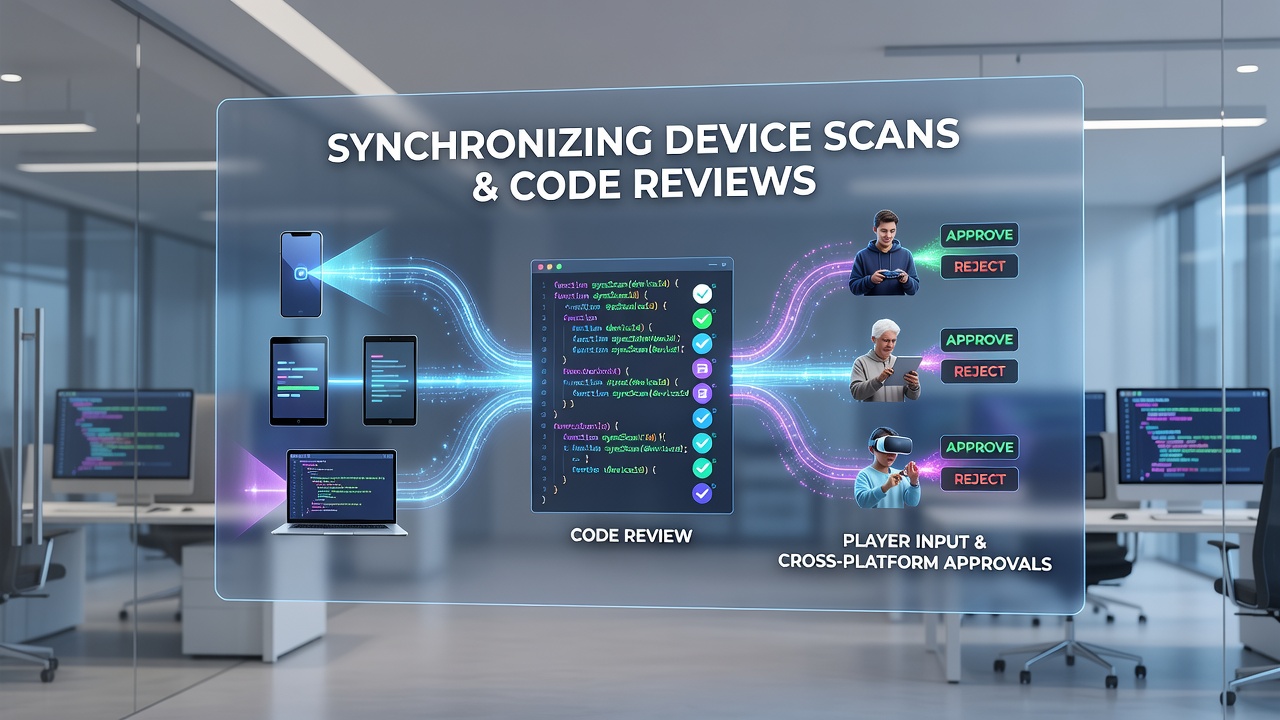
Coordinating Device Diagnostics, Code Examinations, and User Contributions Across Multi-Platform Game Certification
Developers coordinate device diagnostics with code examinations and player contributions to secure approvals for games that run across consoles, mobile devices, and personal computers, and this coordination has grown more structured as platforms enforce stricter compatibility requirements. Research from industry groups shows that teams which align these three streams reduce certification delays by connecting hardware performance data directly to software integrity checks and community-reported issues. In practice, device scans identify thermal limits, memory constraints, and input latency on specific hardware configurations while code reviews catch vulnerabilities in rendering pipelines and network handling before those problems surface during live play sessions.
Device Scan Protocols in Cross-Platform Pipelines
Device scan protocols generate detailed profiles of graphics processing units, storage speeds, and sensor accuracy across target hardware, and developers feed these profiles into shared databases that code review teams access in real time. According to data released by the Entertainment Software Association, hardware variability increased by 37 percent between 2023 and 2025, which pushed studios to run automated scans on every major chipset before code merges occur. These scans flag frame-time spikes on lower-power mobile silicon or controller desync on certain console revisions, and the resulting reports route automatically to reviewers who examine the corresponding shader code or input-handling modules.
Linking Code Reviews to Scan Outputs
Code review systems now embed references to device scan results so that engineers see performance anomalies alongside the exact lines of code under discussion. One study conducted by researchers at the University of Waterloo documented that embedding scan metadata inside pull-request interfaces cut review cycles by an average of 18 percent because reviewers could verify fixes against the original hardware metrics. When a scan reveals excessive draw-call counts on a particular Android chipset, the linked review thread highlights the draw-call batching functions, and developers adjust those functions while confirming the change restores acceptable frame pacing on the flagged device.
Incorporating Player Input Streams
Player input arrives through structured feedback channels that include telemetry on crash rates, control responsiveness, and visual artifacts, and these streams integrate with both scan databases and review logs. Figures released by the Interactive Games and Entertainment Association of Australia indicate that titles incorporating player-reported data during certification achieved 22 percent fewer post-launch patches in the first quarter of availability. Teams map each reported issue to the device profile where it occurred and then trace the problem back through code review histories to locate the commit that introduced the regression.
Workflow Synchronization Practices
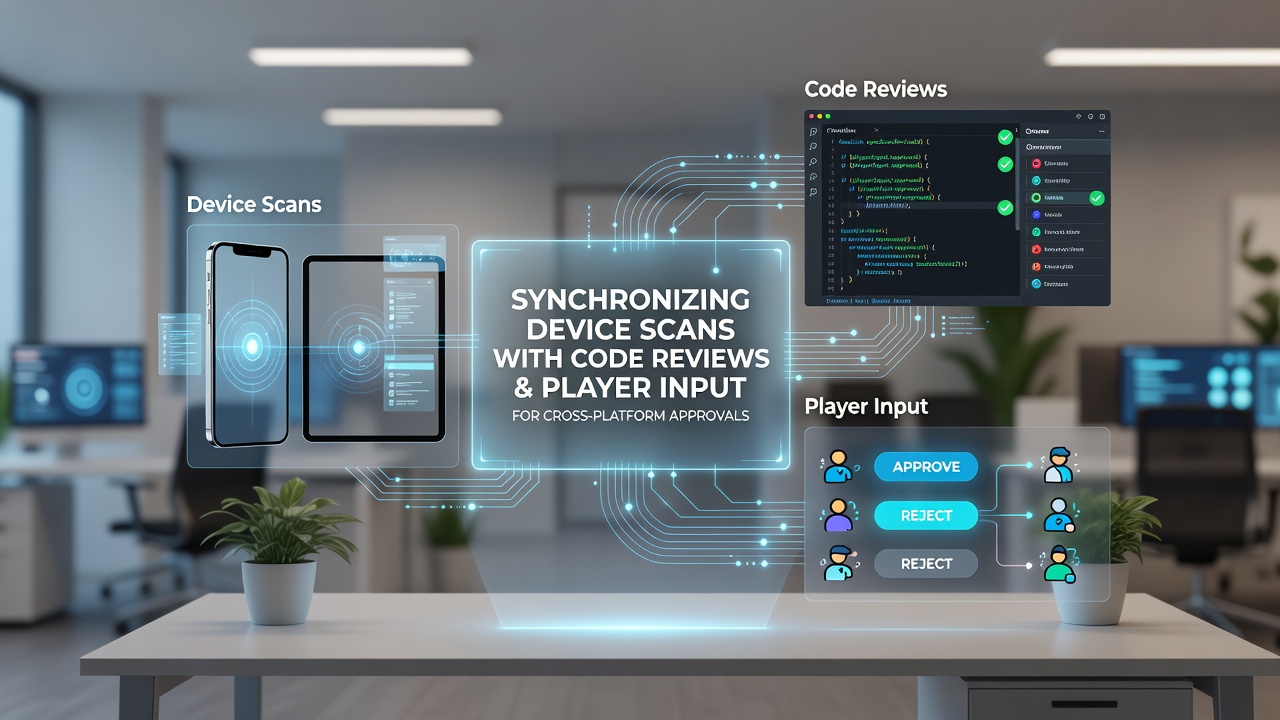
Workflow synchronization relies on shared dashboards that display device scan heatmaps next to code review status indicators and player feedback clusters, and project leads schedule weekly alignment meetings to resolve conflicts between the three data sources. Observers note that when a scan flags a new GPU driver incompatibility in August 2026, teams immediately open review tickets that reference both the driver version and recent player reports of similar visual corruption. This creates a closed loop where hardware diagnostics, software changes, and community observations update one another without manual data transfer.
Certification Outcomes and Platform Requirements
Certification bodies require evidence that device scans, code reviews, and player input have been cross-checked before granting multi-platform approval, and studios maintain audit trails that document each connection. Data from regulatory filings in the European Union show that projects lacking synchronized records face extended review periods averaging four additional weeks. Teams therefore archive timestamped scan results alongside review comments and player telemetry exports so that any future compliance query can reconstruct the decision path from raw hardware measurement to final approval.
Conclusion
Coordinating device diagnostics, code examinations, and user contributions produces traceable pathways that support consistent cross-platform releases, and the practice continues to evolve as new hardware enters the market and player reporting tools grow more granular. Studios that maintain these connections meet platform requirements more efficiently while preserving performance standards across diverse device ecosystems.