Coordinating Evaluation Layers to Sustain Stability Across Digital Entertainment Systems
Written by Zara Vogel · Jun 28, 2026
Coordinating Evaluation Layers to Sustain Stability Across Digital Entertainment Systems
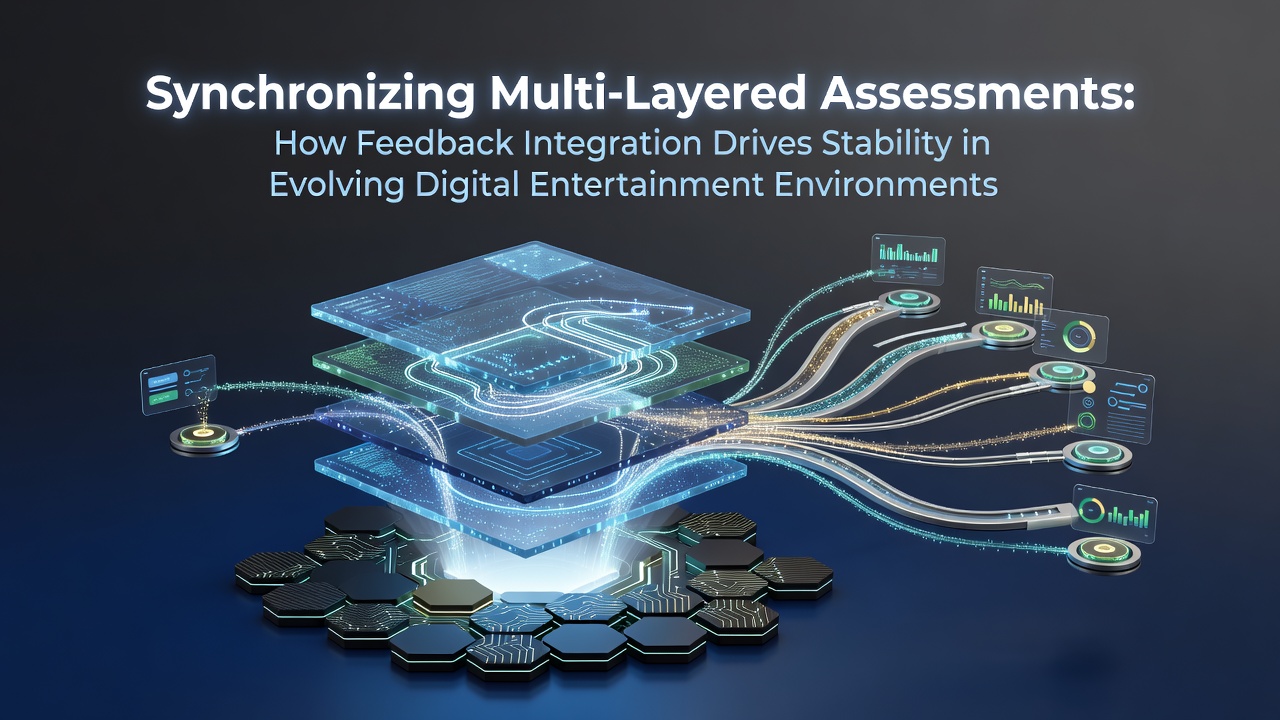
Digital entertainment platforms rely on synchronized assessment layers that combine software audits, hardware evaluations, and aggregated user input to maintain operational stability while environments evolve rapidly, and researchers continue to examine how feedback integration supports these processes across multiple validation stages.
Core Components of Multi-Layered Assessment Frameworks
Assessment frameworks in digital entertainment typically operate through distinct yet interconnected layers that include compliance mapping, device performance scans, and certification pathways, while data from each layer feeds into centralized systems that track stability metrics over time. Studies indicate that when these layers operate in isolation, discrepancies often emerge between expected and actual system behavior, whereas integrated feedback mechanisms allow teams to identify and address inconsistencies before they affect end users.
Observers note that software audits examine code integrity and security protocols, hardware evaluations measure device compatibility under varying load conditions, and user feedback systems capture real-world performance data from diverse setups. When these elements synchronize effectively, the resulting stability gains appear in reduced crash rates and smoother cross-platform experiences, according to industry reports released ahead of the June 2026 development cycle reviews.
Feedback Integration Mechanisms and Their Operational Impact
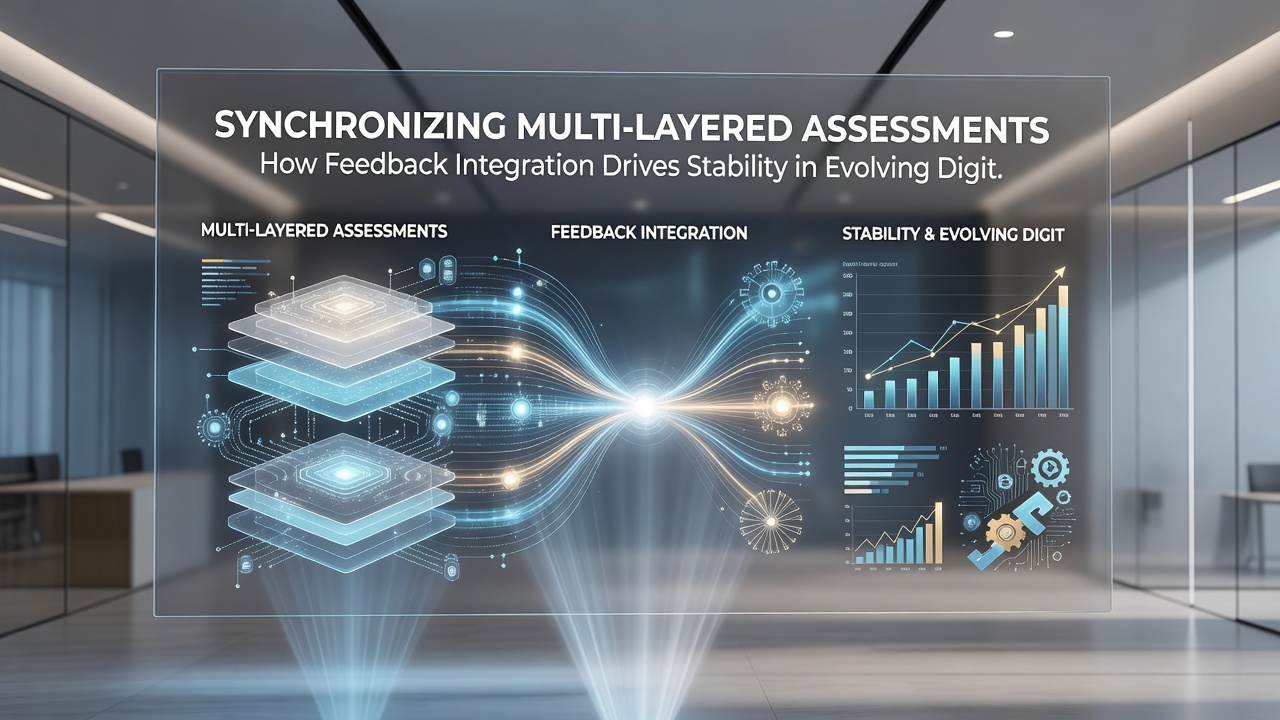
Feedback integration occurs when structured data from audits, device scans, and player reports converge within shared dashboards that highlight patterns across assessment categories, and this convergence enables developers to prioritize fixes based on severity and frequency rather than isolated signals. Research indicates that platforms employing such unified input streams demonstrate measurable improvements in certification timelines because validation teams receive consolidated evidence instead of fragmented reports from separate departments.
One documented case involved a cross-platform title where hardware stress data from multiple device grids aligned with aggregated user reports on frame inconsistencies, allowing engineers to isolate a memory allocation issue that had evaded earlier software audits alone. The integration process shortened resolution time by several weeks compared with previous development cycles that handled each assessment stream independently.
Challenges in Maintaining Synchronization During Rapid Evolution
Evolving digital entertainment environments introduce frequent content updates, new device releases, and shifting compliance requirements that can disrupt established assessment rhythms, yet organizations that maintain continuous feedback loops report fewer stability regressions following major patches. Data from regulatory bodies across North America and the European Union shows that platforms with established synchronization protocols encounter fewer post-release compliance notices than those relying on sequential rather than concurrent validation approaches.
Technical teams often encounter difficulties when legacy assessment tools fail to interface with newer feedback collection systems, creating gaps that allow minor issues to compound before detection. Solutions frequently involve standardized data schemas that translate outputs from disparate tools into comparable formats, thereby preserving the integrity of multi-layered analysis even as underlying technologies advance.
Role of Aggregated Input in Certification Pathways
Certification pathways increasingly incorporate aggregated input from multiple assessment layers to verify that games meet stability benchmarks across intended platforms, and industry organizations such as the Entertainment Software Association have documented how unified feedback reduces the incidence of conditional certifications that require subsequent patches. This approach aligns performance benchmarks with compliance frameworks by ensuring that hardware evaluations and user-reported issues inform the same decision criteria used in final approval stages.
Academic research from institutions in Canada and Australia further supports the observation that feedback integration correlates with higher rates of first-time certification success, particularly in multiplayer environments where device variability presents ongoing challenges. Those examining these patterns emphasize the importance of maintaining transparent data flows between assessment layers to prevent bottlenecks during high-volume release periods.
Future Directions for Assessment Synchronization
Emerging practices focus on automated reconciliation of assessment data streams to accelerate synchronization without sacrificing accuracy, while maintaining human oversight for complex edge cases that algorithms may misclassify. Projections for the period following June 2026 suggest continued emphasis on real-time feedback integration as digital entertainment environments incorporate additional layers such as cloud rendering validation and accessibility compliance checks.
Conclusion
Synchronized multi-layered assessments supported by integrated feedback systems provide measurable stability benefits across evolving digital entertainment platforms, and continued refinement of these coordination methods remains central to quality assurance practices as new technologies and regulatory expectations develop.