Coordinating Multi-Tier Verification Systems: Aggregated User Signals Directing Review Sequences and Equipment Examinations for Platform Certification
Written by Devon Schröder · Aug 19, 2026
Coordinating Multi-Tier Verification Systems: Aggregated User Signals Directing Review Sequences and Equipment Examinations for Platform Certification
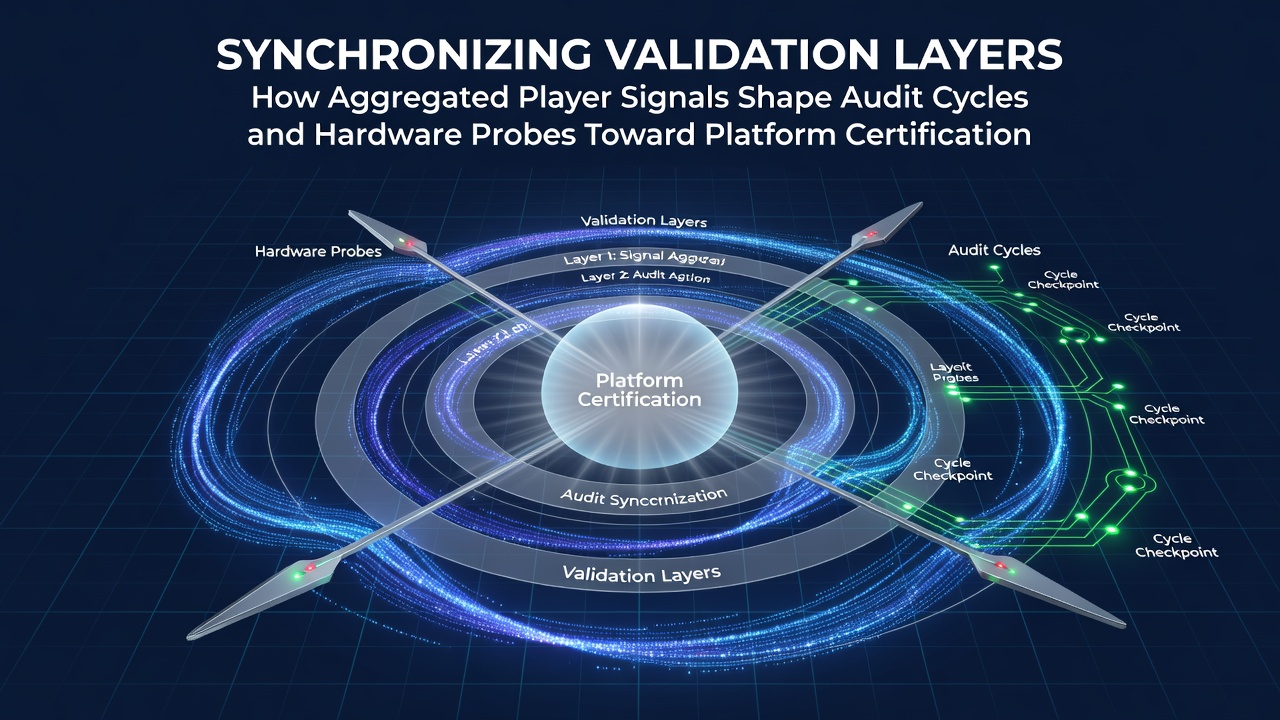
Coordinating multi-tier verification systems requires careful alignment of data streams from players with structured review sequences and targeted equipment examinations, and this process supports platform certification across diverse gaming environments. Aggregated user signals provide quantitative indicators that developers and auditors track to adjust inspection timelines, while hardware probes deliver physical performance data that feeds back into the same cycles.
Signal Aggregation and Its Role in Scheduling
Player interactions generate continuous streams of performance metrics, error reports, and usage patterns, and these elements combine into datasets that influence when audits occur. Research indicates that studios monitor these aggregated inputs to identify patterns in frame stability or input latency, which in turn determine the frequency of formal reviews. Data from multiple regions shows that certification bodies often receive updated signal summaries before scheduling hardware assessments, creating a feedback mechanism that keeps cycles responsive rather than fixed on calendar dates.
Observers note that August 2026 marks the rollout of revised synchronization protocols in several cross-platform initiatives, where aggregated signals will trigger preliminary hardware probes ahead of full audits. This adjustment allows teams to address device-specific variances earlier, reducing the chance of late-stage certification delays.
Hardware Probes Within Layered Validation
Hardware probes examine device behavior under sustained loads, measuring temperature thresholds, power draw, and rendering consistency, and these examinations integrate directly with signal data collected from live player sessions. When aggregated inputs reveal recurring issues on particular chipsets or display configurations, auditors prioritize those setups for deeper probes. Studies from European technical institutes have documented how such targeted examinations improve compliance mapping across operating systems and console variants.
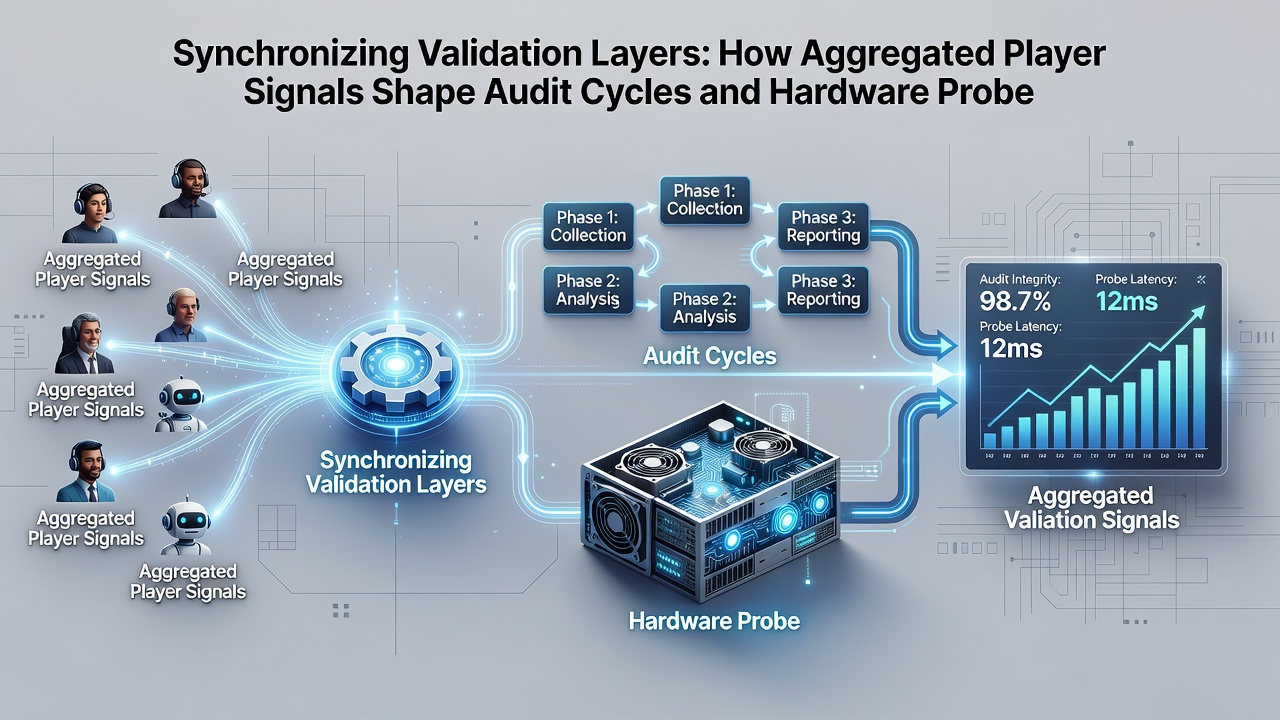
Equipment assessments therefore operate as one layer within a larger verification web, receiving direction from player-derived datasets while also supplying raw measurements that refine future signal interpretation. This bidirectional flow supports the alignment of software audits with physical testing requirements, and certification pathways benefit when teh layers exchange information at defined checkpoints.
Pathways Toward Platform Certification
Platform certification demands evidence that games meet stability and compatibility standards across supported hardware, and aggregated player signals supply part of that evidence by highlighting real-world conditions that lab tests alone might miss. Review sequences incorporate both the quantitative outputs from probes and the contextual patterns from user data, creating a unified record that regulators and platform holders examine. Industry reports from the Entertainment Software Association illustrate how synchronized validation reduces certification turnaround times when signal aggregation feeds directly into audit planning.
One case examined by Canadian researchers tracked a multiplayer title where early signal clustering around network latency prompted hardware probes on specific router models, and the resulting adjustments led to smoother certification approval. Similar patterns appear in documentation from Australian digital standards groups, where coordinated layers have shortened the interval between initial submission and final platform acceptance.
Integration Challenges and Current Practices
Teams coordinating these systems face the task of normalizing data formats across different signal sources and probe outputs, and standardized protocols help maintain consistency during review cycles. When player signals arrive from varied regions with differing network conditions, analysts apply weighting factors before incorporating them into audit triggers. Hardware examination results undergo similar normalization so that certification documentation remains comparable across submissions.
Current practices include scheduled data handoffs between validation layers, where aggregated metrics inform probe priorities and probe results update signal interpretation models. These handoffs occur at intervals that certification bodies specify, ensuring that the overall process remains traceable and repeatable.
Conclusion
Coordinating multi-tier verification systems through aggregated player signals and hardware examinations produces certification pathways that adapt to observed performance conditions. Review sequences gain precision when they draw from both live usage data and controlled device testing, and platform approval processes benefit from the resulting alignment. As synchronization protocols continue to evolve, the integration of these layers remains central to maintaining consistent standards across gaming platforms.