Cross-Domain Validation Pathways in Game Projects: Integrating Software Audits, Hardware Evaluations, and User Feedback Systems
Written by Zara Vogel · Jun 3, 2026

Cross-Domain Validation Pathways in Game Projects: Integrating Software Audits, Hardware Evaluations, and User Feedback Systems
Game projects rely on interconnected evaluation methods that span software audits, hardware performance checks, and user domain feedback systems, and these pathways create structured routes toward validation and certification. Researchers have documented how isolated assessments often miss critical interactions, whereas integrated approaches allow teams to trace issues from code execution through device behavior and into player-reported experiences. Data from industry reports indicate that cross-domain connections reduce certification delays by aligning benchmarks early in development cycles.
Software evaluation forms the foundational layer where audits examine code stability, security vulnerabilities, and compliance with platform standards. Teams apply static analysis tools alongside dynamic testing to map potential failure points, and these outputs feed directly into hardware assessment protocols. When software metrics align with hardware requirements, developers identify bottlenecks before they surface during runtime, and this alignment proves essential for multi-platform releases where device variations introduce additional variables.
Hardware Evaluation as a Connecting Bridge
Hardware evaluations extend validation beyond code by stressing physical components under sustained loads, and observers note that these tests reveal strains invisible to software-only reviews. Device scans capture temperature thresholds, memory allocation patterns, and frame delivery consistency across target platforms, while compliance mapping ensures outputs satisfy regional regulatory expectations. Projects that route hardware data back into software refinement loops achieve tighter synchronization between intended performance and actual device delivery.
One documented case involved a development studio that aggregated hardware stress results with software audit logs to adjust rendering pipelines ahead of certification submissions. This integration exposed hidden conflicts between optimization flags and specific chipset behaviors, and subsequent adjustments improved stability metrics across multiple device categories. Such examples illustrate how hardware data serves not as an endpoint but as a bridge that refines upstream software decisions.
User Domain Inputs and Feedback Integration
User domain feedback enters the validation pathway through structured review aggregation, bug reporting channels, and certification-linked surveys, and these inputs close the loop between internal testing and real-world deployment. Research indicates that when teams map player-reported issues against prior software and hardware findings, patterns emerge that isolated methods overlook. Aggregated data from user sources often highlight edge cases in network conditions or accessory interactions that lab environments rarely replicate fully.
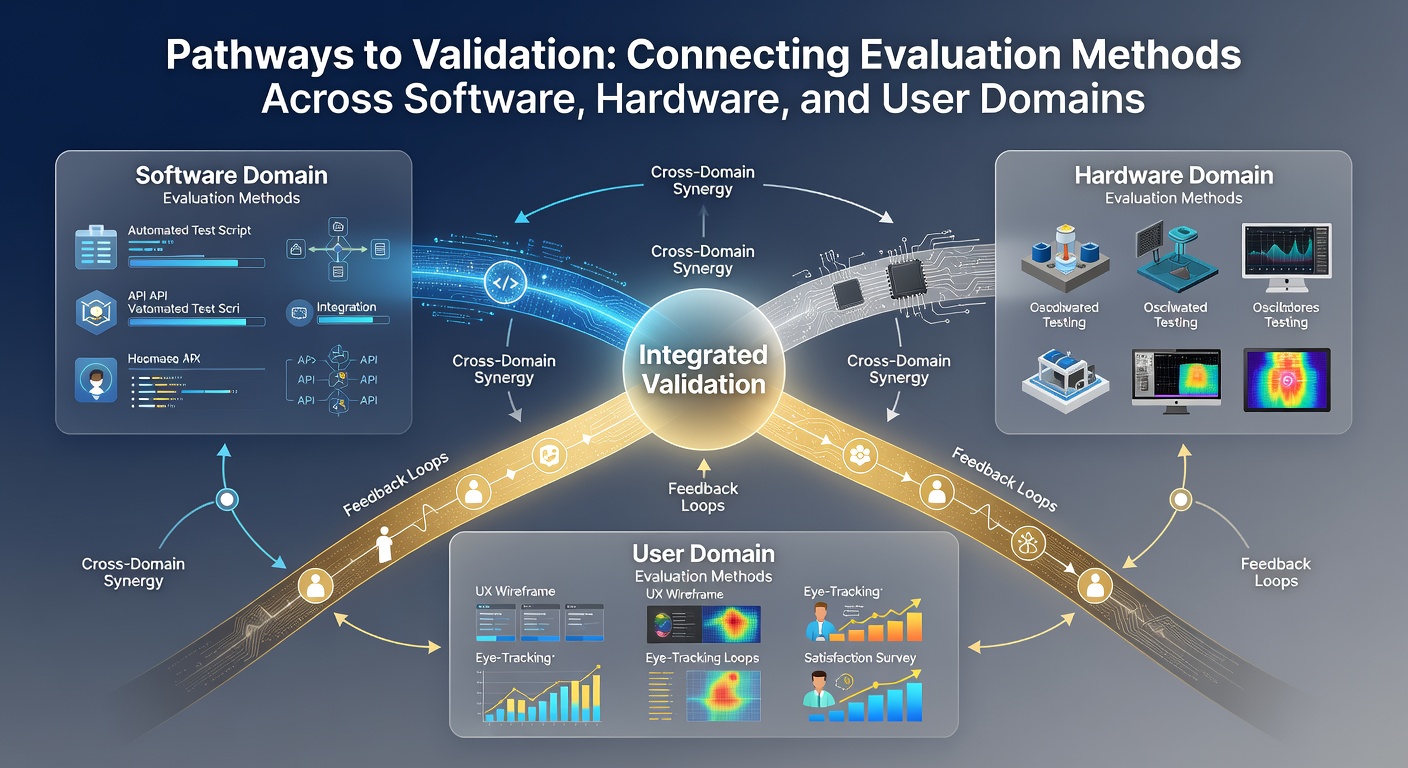
Connections between domains strengthen when feedback systems incorporate metadata from device scans and audit trails. Analysts can then trace a reported frame drop to a specific hardware configuration while cross-referencing the underlying code path, and this traceability accelerates targeted fixes. Industry organizations such as the Entertainment Software Association have compiled statistics showing that projects employing linked feedback mechanisms complete certification phases with fewer revision cycles.
Emerging Standards and Timeline Considerations
Regulatory frameworks continue to evolve, and observers point to anticipated updates scheduled around June 2026 that will require more explicit documentation of cross-domain linkages during certification reviews. European Commission guidelines on digital product compliance emphasize traceability across evaluation layers, and these expectations align with similar requirements emerging from other jurisdictions. Teams preparing for these timelines often build modular reporting structures that combine software audit summaries, hardware performance logs, and user feedback summaries into unified validation packages.
Academic studies from institutions tracking game development practices reveal that organizations investing in shared data repositories between domains experience measurable gains in defect detection rates. One analysis examined projects that routed user telemetry through hardware validation filters before feeding results into software audits, and findings showed improved identification of platform-specific regressions. These approaches demonstrate practical pathways rather than theoretical ideals.
Implementation Patterns Across Project Scales
Smaller studios and larger publishers alike adopt varying configurations of these pathways, and the scale influences how connections form. Independent teams frequently rely on automated pipelines that push software test results directly into hardware simulation environments, whereas enterprise groups maintain dedicated integration teams that synthesize user domain data with compliance records. Both models achieve validation when they maintain consistent data formats and shared taxonomies across evaluation stages.
Case examples from cross-platform titles released in recent years show that early establishment of domain linkages correlates with smoother certification outcomes. Projects that delayed integration until late stages encountered repeated cycles of retesting, and those cycles often traced back to misaligned metrics between software assumptions and hardware realities. User feedback collected post-launch then provided the final calibration layer that closed remaining gaps.
Conclusion
Pathways connecting software audits, hardware evaluations, and user domain feedback create robust validation frameworks for game projects by enabling traceability and alignment across all three areas. Evidence from industry data and regulatory projections supports continued refinement of these connections, particularly as standards approach implementation dates in 2026. Organizations that treat evaluation methods as an integrated system rather than sequential checkpoints position themselves to meet certification requirements with greater consistency across diverse platforms and player environments.