Cross-Platform Gaming Performance Alignment via Feedback Loops and Protocol Audits
Written by Frankie Schmitz · Jun 7, 2026
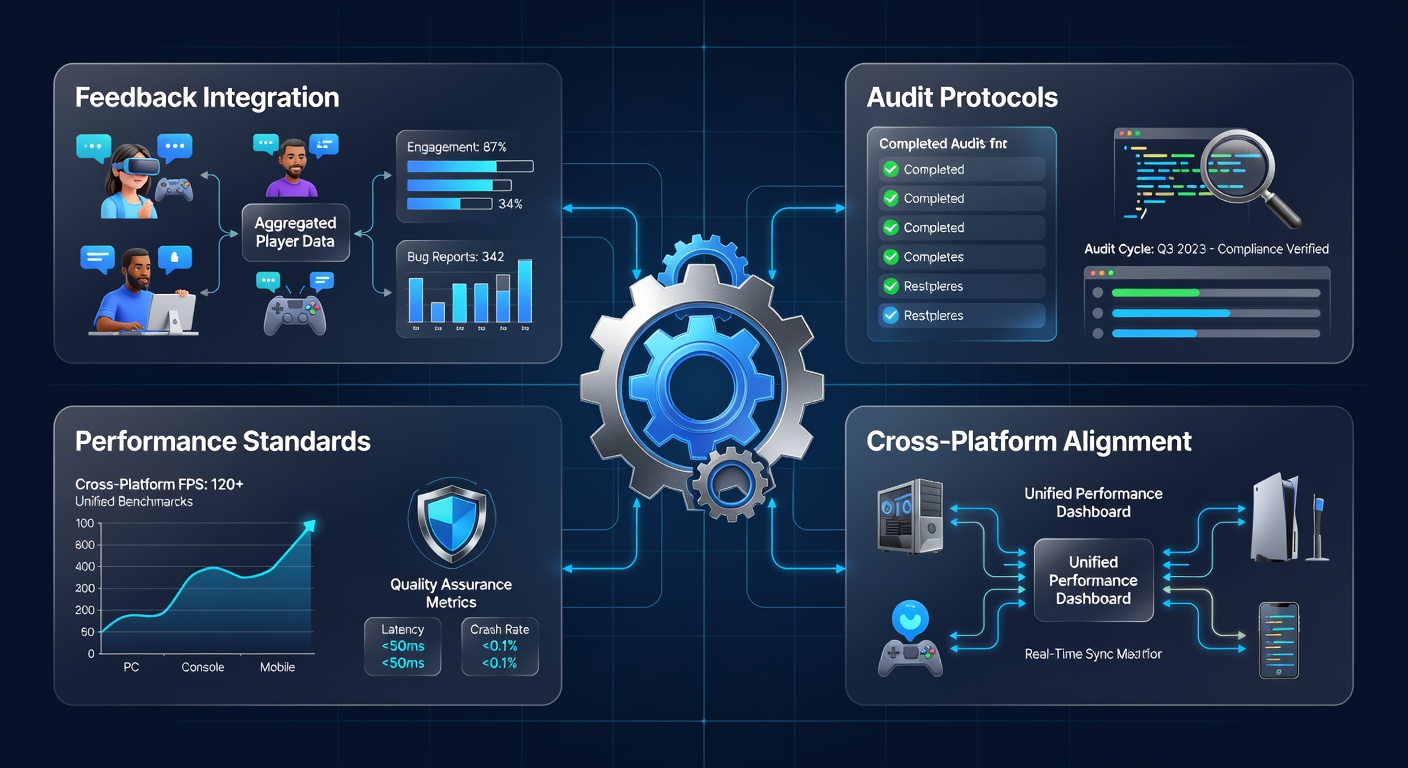
Cross-Platform Gaming Performance Alignment via Feedback Loops and Protocol Audits
Performance standards in cross-platform gaming projects require careful coordination between feedback integration systems and audit protocols, since developers release titles across PC, console, and mobile environments simultaneously. Data from multiple platforms flows into centralized systems where teams identify discrepancies in frame rates, load times, and input responsiveness before those issues affect player retention.
Feedback Collection Mechanisms Across Platforms
Teams gather structured data from in-game telemetry, automated crash reports, and aggregated user submissions, then route those inputs through standardized pipelines that normalize metrics from different hardware configurations. Research indicates that studios using unified feedback dashboards reduce the time between issue detection and resolution by coordinating data from Windows, PlayStation, Xbox, and Android sources into single review cycles.
One development group documented how mobile-specific input lag reports aligned with console controller data after implementing shared logging protocols, allowing engineers to apply fixes that improved responsiveness on all devices. June 2026 updates to several major engines introduced enhanced API hooks that facilitate real-time feedback aggregation, enabling studios to monitor performance deviations as patches deploy across regions.
Audit Protocols and Their Integration Points
Audit protocols establish verification checkpoints throughout the development pipeline, covering code reviews, compliance mapping, and hardware compatibility testing. These protocols operate alongside feedback systems by cross-referencing reported problems against predefined performance benchmarks, such as target frame rates and memory usage limits that vary by platform.
Engineers execute scheduled audits that compare telemetry outputs against certification requirements from platform holders, while feedback data highlights areas where actual player experiences diverge from internal test results. This dual approach ensures that performance standards remain consistent even when hardware capabilities differ significantly between high-end PCs and entry-level mobile devices.
Alignment Process in Practice
Alignment occurs when audit findings trigger targeted adjustments that feedback systems then validate through subsequent data collection rounds. Development teams maintain version-controlled repositories where audit results and feedback summaries coexist, allowing direct comparison of pre-release benchmarks against post-launch player reports.
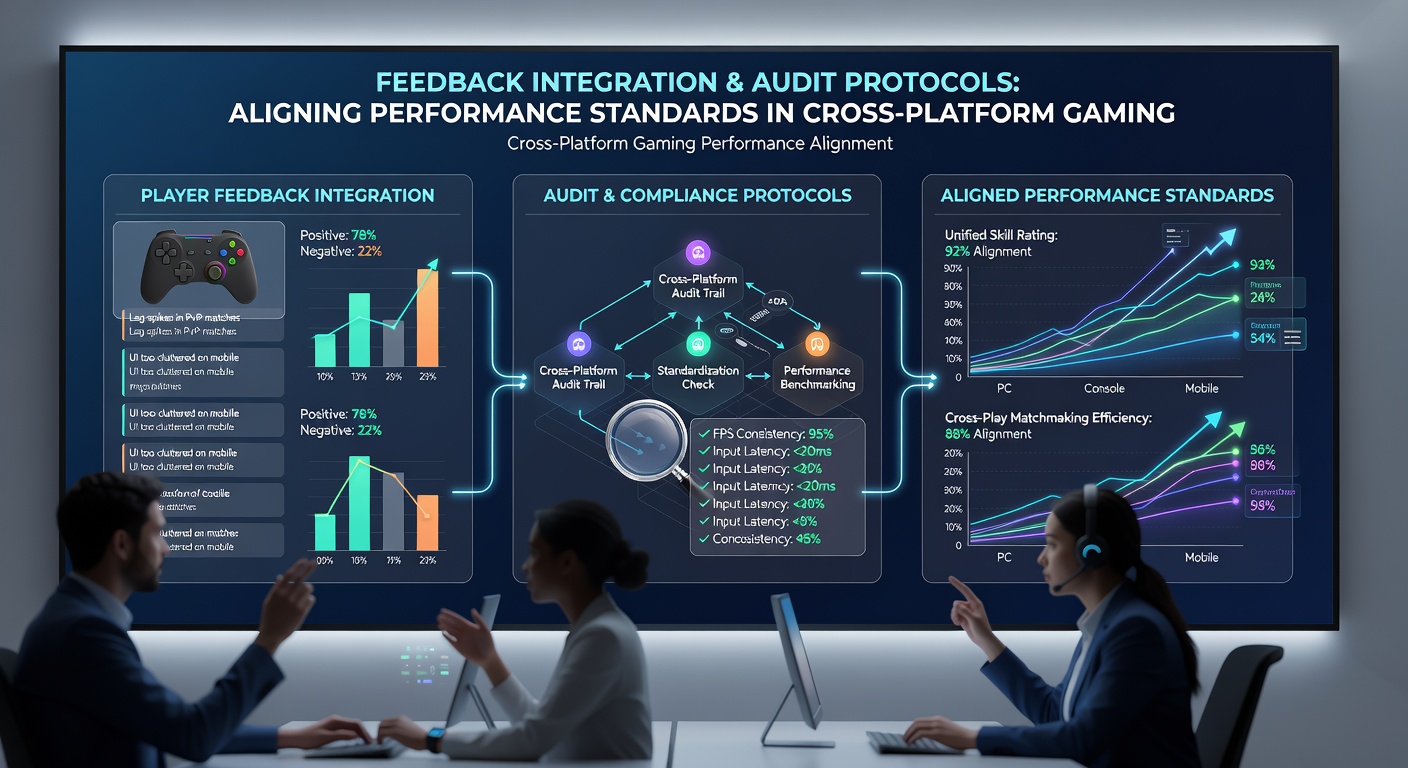
Studies from academic research groups show that projects employing iterative alignment cycles achieve more uniform performance outcomes, particularly when addressing issues like shader compilation delays that manifest differently across graphics APIs. External industry reports from organizations such as the Entertainment Software Association document how coordinated feedback and audit workflows contribute to reduced certification delays during multi-platform launches.
Technical Components Supporting Alignment
Automated testing frameworks feed continuous data into audit systems, while machine learning models classify feedback patterns to prioritize issues that affect multiple platforms. These technical layers create traceable connections between individual player reports and broader compliance violations, allowing teams to trace root causes through layered validation processes.
Database architectures store timestamped records of both feedback entries and audit outcomes, enabling longitudinal analysis that reveals whether performance standards improve or regress after specific interventions. Canadian regulatory guidelines on digital services emphasize the importance of documented audit trails in maintaining consistent quality across distributed gaming environments.
Case Examples from Development Pipelines
Projects released in recent years demonstrate measurable alignment when studios implement shared schemas for feedback categorization and audit scoring. One studio tracked how network latency complaints on mobile correlated with server-side audit flags, leading to infrastructure changes that benefited console players as well. Another group used aggregated review data to refine asset streaming protocols after audits identified memory bottlenecks unique to certain graphics cards.
These examples illustrate how the combination of real-world feedback and systematic audits produces performance standards that hold across diverse hardware ecosystems without requiring separate optimization tracks for each platform.
Conclusion
Feedback integration and audit protocols function as interconnected components that maintain performance standards in cross-platform gaming projects through continuous data exchange and verification cycles. The processes rely on normalized metrics, scheduled checkpoints, and traceable records that connect player experiences with technical compliance requirements. As development tools evolve in 2026 and beyond, these alignment mechanisms continue to support consistent delivery across expanding hardware landscapes.