Device Certification Pathways: Synchronizing Aggregated Inputs and Performance Benchmarks
Written by Devon Schröder · Jul 12, 2026
Device Certification Pathways: Synchronizing Aggregated Inputs and Performance Benchmarks
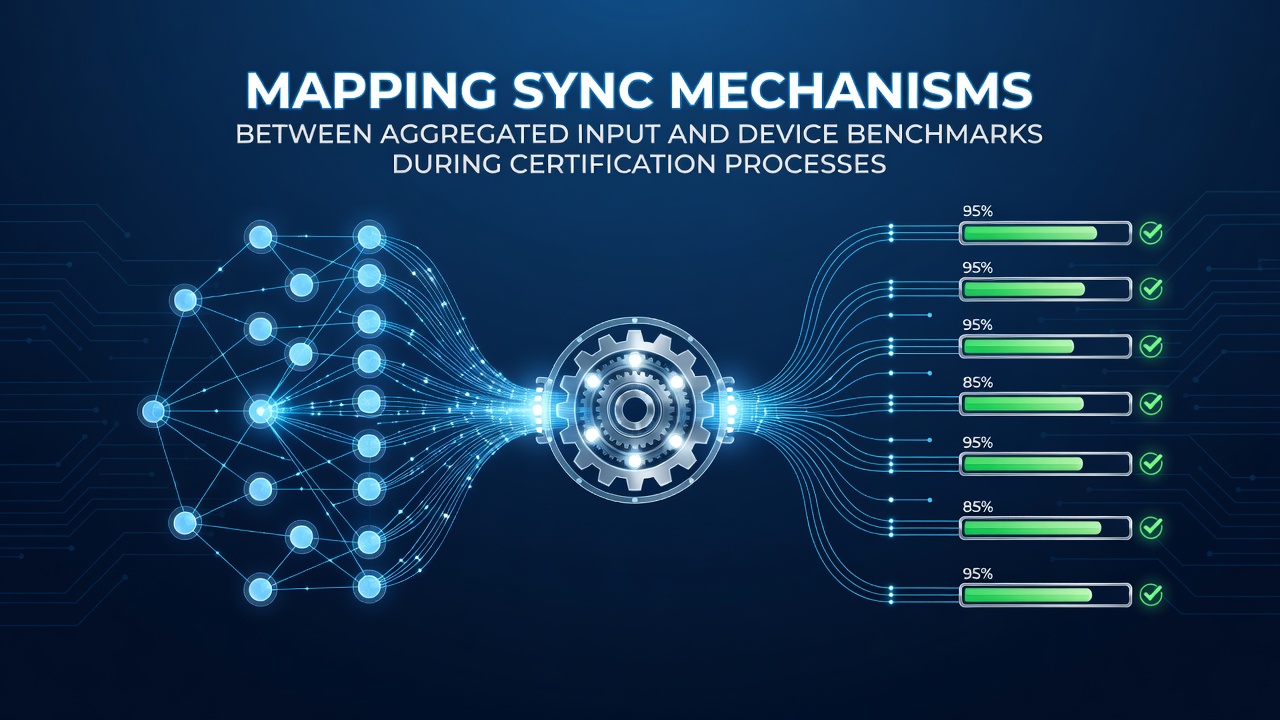
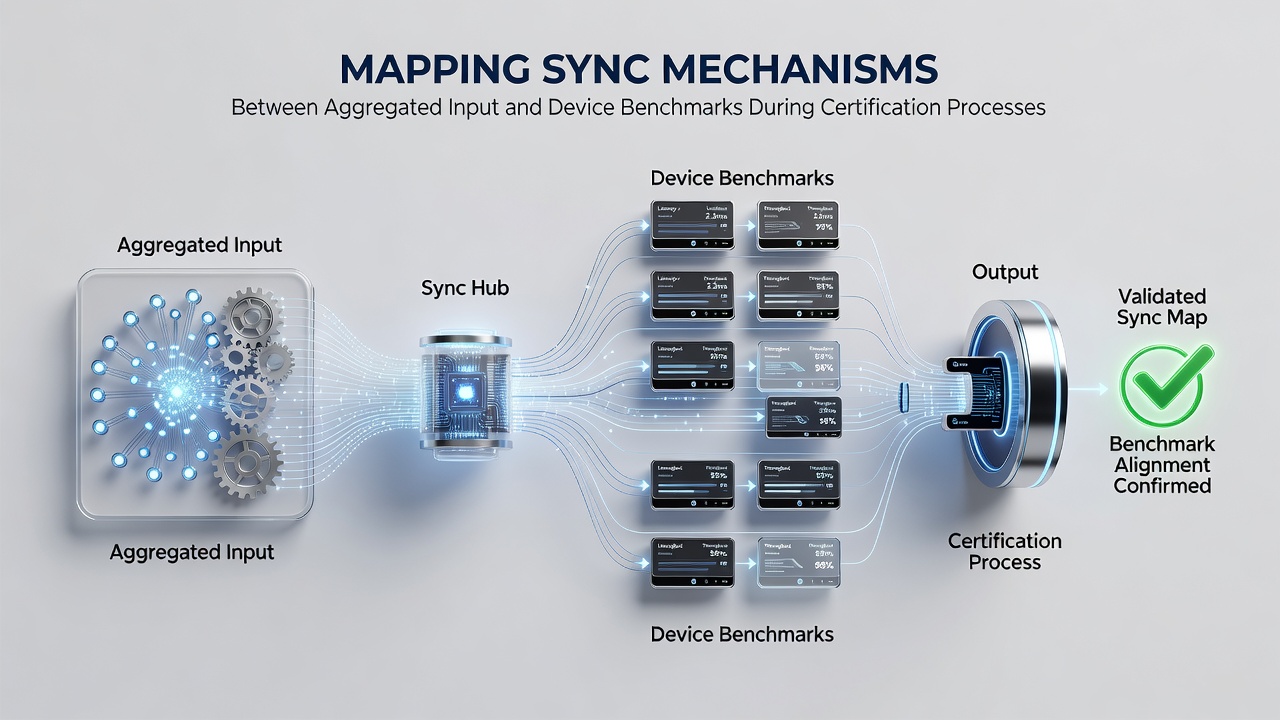
Certification processes for electronic devices require precise alignment between aggregated input data streams and standardized performance benchmarks, and mapping sync mechanisms serve as the core infrastructure that maintains this alignment throughout evaluation cycles. These mechanisms process inputs from multiple sensors, test protocols, and user scenario simulations before matching them against benchmark thresholds defined by regulatory frameworks and industry standards.
Core Components of Input Aggregation Systems
Aggregated inputs typically originate from hardware telemetry logs, software execution traces, environmental condition monitors, and simulated workload generators, while sync mechanisms timestamp each data packet and normalize formats so that disparate sources can feed into a unified analysis engine without introducing latency offsets or sequence errors. Researchers at technical institutions have documented how timestamp reconciliation algorithms prevent drift when inputs arrive from devices operating under different clock domains, and this step proves essential during extended certification runs that span multiple days or test sites.
Device benchmarks themselves consist of quantitative thresholds for metrics such as processing throughput, power consumption under load, thermal stability, and response latency, and mapping functions translate raw aggregated values into comparable units before performing compliance checks against these thresholds. Observers note that synchronization layers often employ middleware buffers to handle variable data arrival rates, ensuring that benchmark calculations always reference complete input sets rather than partial snapshots.
Mapping Processes in Practice
Mapping occurs through layered translation tables that convert sensor readings and log entries into benchmark-equivalent scores, and automated reconciliation routines flag any mismatches between expected and observed input sequences. Data from certification laboratories indicates that these routines reduce retest requirements by identifying synchronization gaps early in the workflow, particularly when devices undergo parallel evaluations across different geographic testing facilities.
Regulatory Context and July 2026 Updates
Standards bodies have scheduled revisions to device certification guidelines for July 2026, and these revisions introduce stricter requirements for real-time input synchronization when aggregated data feeds into benchmark comparisons. The European Commission has published draft amendments that emphasize audit trails for sync mappings, while NIST continues to refine its benchmark reference datasets to accommodate higher-resolution input streams from next-generation hardware. Industry organizations such as the IEEE Standards Association have contributed technical specifications that define minimum synchronization precision levels for certification submissions.
Certification teams integrate these mapping mechanisms into existing quality management systems through API connectors that pull benchmark definitions directly from regulatory repositories. This integration allows dynamic updates when new thresholds are released, and it supports traceability so that any certified device can be linked back to the exact input sets and sync states used during its evaluation.
Technical Synchronization Techniques
Engineers implement synchronization through a combination of sequence numbering, heartbeat signals, and cross-validation checkpoints that verify data integrity at each stage of aggregation. When inputs arrive from distributed test rigs, these checkpoints compare partial aggregates against expected patterns before allowing the data to proceed to benchmark mapping modules, and discrepancies trigger automated alerts rather than halting the entire process.
Studies from university engineering departments have examined how buffer sizing and priority queuing affect overall mapping accuracy, revealing that adaptive algorithms outperform static configurations when input volumes fluctuate during peak testing periods. Those who've examined certification archives find that successful mappings correlate strongly with devices that maintain consistent performance across varied operating conditions.
Cross-Platform Considerations
Devices destined for multiple markets must satisfy overlapping yet distinct benchmark sets, and sync mechanisms accommodate this by maintaining parallel mapping branches that apply region-specific rules without duplicating raw input storage. This approach reduces computational overhead while preserving the ability to generate separate compliance reports for each jurisdiction. Trade groups in the Asia-Pacific region have begun piloting shared mapping repositories that allow manufacturers to reuse validated synchronization configurations across different certification bodies.
Conclusion
Effective mapping of sync mechanisms between aggregated inputs and device benchmarks forms a foundational element of modern certification processes, and ongoing refinements scheduled for 2026 will further standardize how these alignments occur. Regulatory agencies, research institutions, and standards organizations continue to contribute specifications that strengthen traceability and reduce errors in benchmark comparisons. As device complexity increases, the precision of these synchronization layers determines how efficiently certification pathways can accommodate new hardware while maintaining consistent evaluation criteria across global markets.