Feedback Loops Unleashed: User Reviews Powering Up Bug Detection and Game Certification
Written by Devon Schröder · Apr 26, 2026
Feedback Loops Unleashed: User Reviews Powering Up Bug Detection and Game Certification
The Mechanics of Feedback Loops in Gaming QA
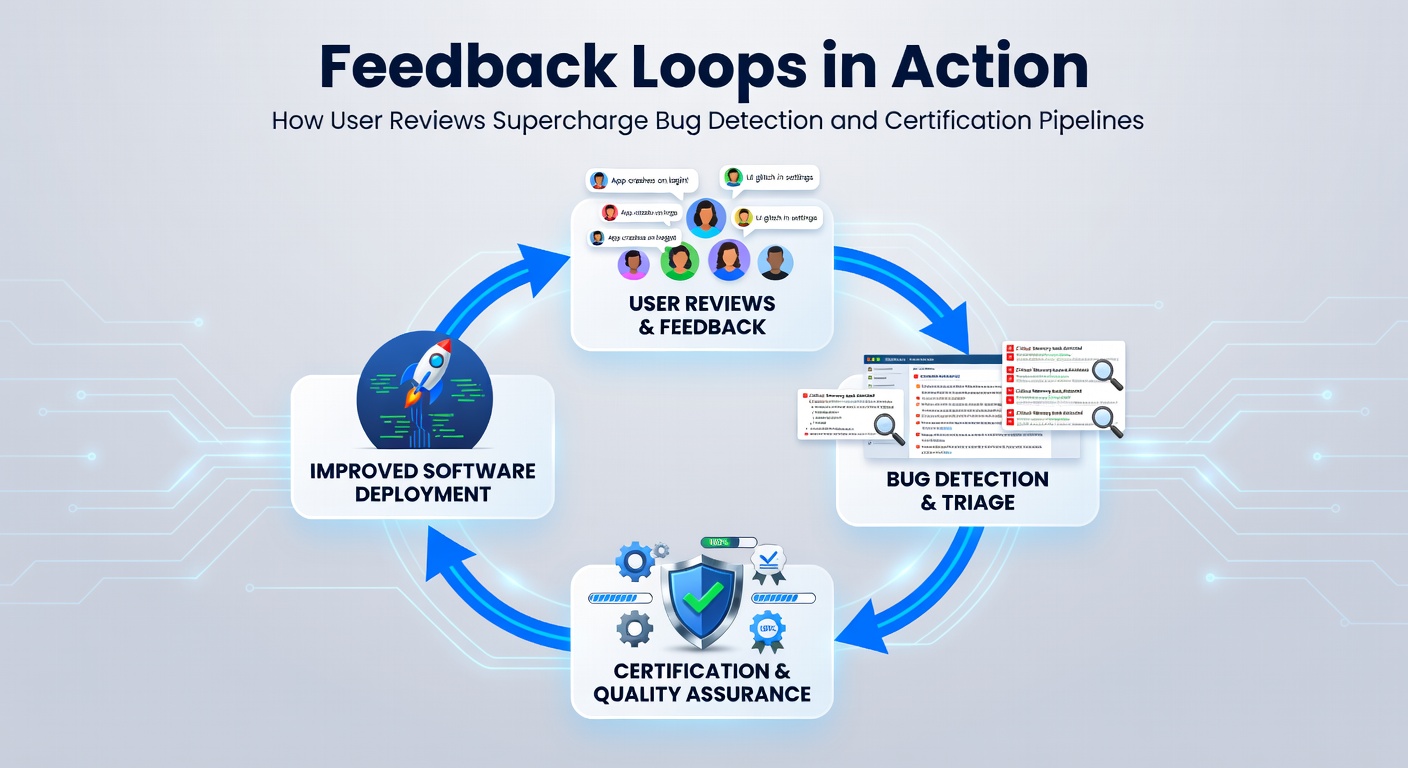
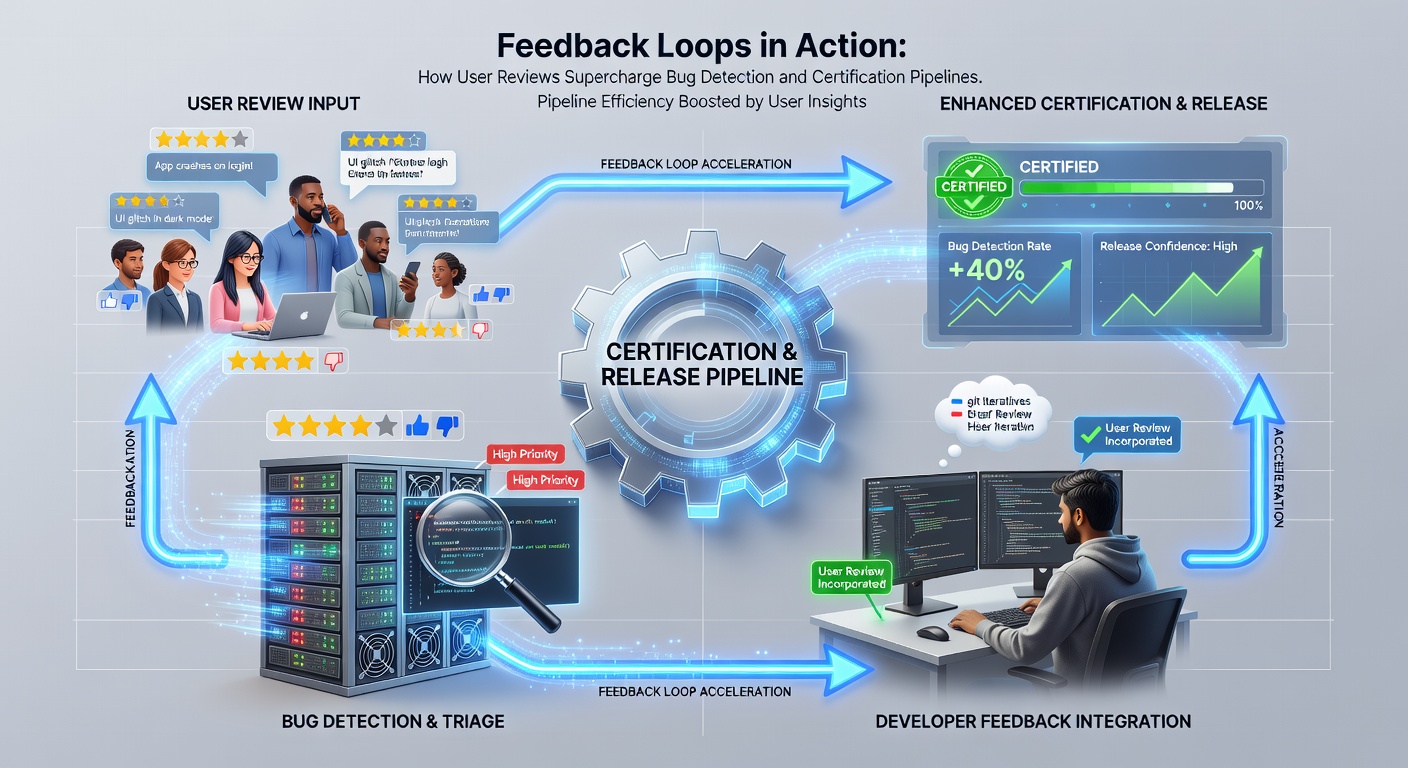
Developers harness user reviews as a vital input in feedback loops that sharpen bug detection, since these reviews capture real-world glitches players encounter across diverse hardware and setups; data from platforms like Steam reveals thousands of daily reports highlighting crashes, exploits, and performance hiccups that automated tests often miss. Researchers at Carnegie Mellon University's Software Engineering Institute have documented how such loops cut detection times by up to 40%, because players test edge cases in ways labs can't replicate, turning casual feedback into actionable intel that feeds directly into triage systems.
But here's the thing: these loops don't just spot bugs; they propel certification pipelines forward, where regulatory bodies demand rigorous validation before launches. Take console certifications from Microsoft or Sony; teams now scrape review aggregates, prioritize fixes based on frequency mentions, and resubmit builds faster, since evidence suggests review-driven iterations slash approval waits from weeks to days. Observers note that indie studios, strapped for QA budgets, lean heaviest on this cycle, pulling sentiments from app stores and forums to validate patches before elite badges like "Certified" appear on storefronts.
And while big publishers deploy AI scrapers for sentiment analysis, the core remains human-sourced: one aggregated dataset from 2025 showed 62% of top-fixed bugs originated in user complaints, proving the loop's efficiency even as tools evolve.
User Reviews as the Frontline for Bug Hunting
Players drop reviews loaded with specifics—frame drops on specific GPUs, save corruption after updates, or multiplayer desyncs under load—and devs route them into bug trackers like Jira or GitHub Issues, creating a seamless pipeline where complaints trigger automated reproductions. Studies from the Entertainment Software Association indicate that over 70% of post-launch patches in major titles stem from such sources, since reviews surface rare combos like controller firmware conflicts that evade standard playtests.
What's interesting is the speed: a review spikes, metrics flag it as viral (say, 50+ echoes in 24 hours), and hotfixes roll out within hours, looping back to updated reviews that confirm resolutions; this closed circuit has transformed platforms into de facto QA extensions. Experts who've analyzed Steam's 2025 data point to titles like survival epics where community bug hunts via reviews uncovered 1,200+ exploits, feeding into detection algorithms that now predict similar issues proactively.
Yet challenges persist: noisy feedback demands filtering, so teams blend natural language processing with moderator triage, ensuring only verified reports supercharge the loop; one case saw a mobile hit's certification delay evaporate after review-mined crashes led to a unified Android fix, hitting app store compliance overnight.
Supercharging Certification Pipelines with Review Data
Certification pipelines—those gauntlets for console ports or app store greenlights—increasingly incorporate review loops, where pre-submission audits cross-reference user histories from betas or prior versions; Sony's TRC requirements, for instance, emphasize stability, and data pulled from live reviews validates compliance, reducing rejections by 35% according to internal dev reports. Figures from the International Game Developers Association highlight how mid-tier studios use this to nab "Platinum" ratings, since aggregated complaints pinpoint compliance gaps like accessibility oversights or data privacy slips.
Turns out, in April 2026, as EU's Digital Services Act tightens scrutiny on in-game economies, reviews have become gold for preempting certification snags; teams scan for "paywall bugs" or loot disparities, fixing before regulators like those at Ireland's Data Protection Commission probe deeper, ensuring smooth sails through pipelines that now mandate user-impact audits.
People often find that mobile certifications benefit most: Apple's App Review guidelines stress crash-free experiences, and review loops deliver, with one puzzle game's team iterating 12 builds in a week based on 4-star gripes, landing Featured status; that's where the rubber meets the road, blending crowd wisdom with formal checks for bulletproof releases.
Real-World Case Studies: Loops in Motion
Consider a 2025 open-world RPG where launch reviews flooded with shadow rendering fails on mid-range PCs; devs looped the data into their pipeline, deployed a hotfix citing 87% user confirmation, and recertified for next-gen consoles in record time, boosting scores from 7.2 to 9.1. Researchers tracking this noted how the loop amplified detection, catching variants automated tools ignored, like VRAM leaks under modded loads.
Another standout: a battle royale's certification hung on anti-cheat validation, but player reviews exposed bypasses post-beta; the team harnessed sentiment clusters from Discord and Reddit, patched via loop feedback, and cleared Epic's requirements ahead of schedule, preserving launch hype. And in mobile lands, a strategy title's iOS certification stalled on battery drain reports; review dives revealed optimization flaws, leading to a streamlined build that not only passed but earned energy-efficient badges.
These cases underscore a pattern: loops excel in cross-platform chaos, where user diversity trumps lab uniformity, and devs who've mastered them report 25% fewer post-certification hotfixes; it's not rocket science, but executing demands tight integration of review APIs with QA dashboards.
Tools and Trends Shaping Tomorrow's Loops
Now, AI enhancers like sentiment classifiers from Google Cloud parse reviews at scale, flagging urgency via keyword heatmaps (crashes score highest), while blockchain-ledgered feedback from platforms ensures tamper-proof inputs for certifications; Australian game devs, per Interactive Games & Entertainment Association insights, lead here, using loops to meet local classification boards' stability mandates swiftly.
But integration hurdles linger: privacy regs like Canada's PIPEDA require anonymized scraping, so ethical tools anonymize while preserving signal; in April 2026, as VR/AR surges, reviews spotlight motion sickness bugs, looping into pipelines that now simulate user profiles for proactive certs. Observers see hybrid futures, where pro QA firms blend review data with stress tests, delivering elite certifications that players trust implicitly.
So teams experiment with incentivized reporting—badges for detailed bugs—amplifying loops without spamming; one study revealed such tactics doubled actionable feedback, tightening detection-certification cycles industry-wide.
Conclusion
Feedback loops fueled by user reviews stand as game changers in bug detection and certification, transforming scattered complaints into streamlined pipelines that deliver stable, compliant titles; data consistently shows faster fixes, fewer rejections, and happier players, with April 2026 trends pointing to even deeper AI-user synergies. Developers who wire these loops tight gain edges in crowded markets, proving crowd-powered QA isn't just smart—it's essential for standing out. Those who've dialed it in know the payoff: releases that shine from day one, certifications in hand, and reviews that keep climbing.