Fusion Forge: Integrating Feedback Reports, Audits, and Certifications for Unbreakable Game QA
Written by Nils Sullivan · May 8, 2026
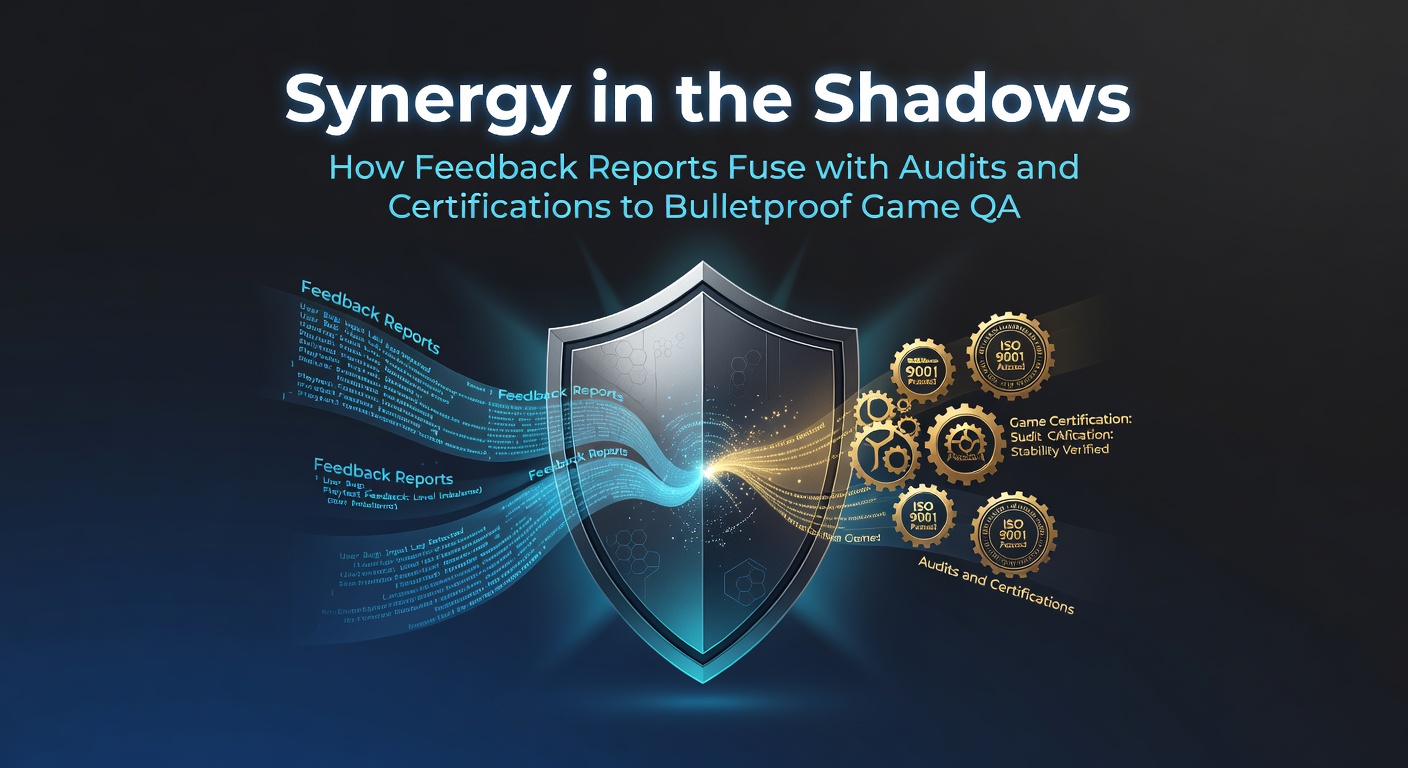
Fusion Forge: Integrating Feedback Reports, Audits, and Certifications for Unbreakable Game QA
The Building Blocks of Robust Game QA
Feedback reports capture player experiences in real time, highlighting glitches, balance issues, and usability hurdles that testers might overlook during initial playthroughs; audits then scrutinize codebases, assets, and compliance standards with methodical precision, while certifications validate the final product against industry benchmarks set by bodies like the ESRB in the US or regional equivalents. Together, these elements create a layered defense, turning potential vulnerabilities into fortified strengths, and as developers push boundaries with VR integrations and cross-platform releases, their synergy becomes not just beneficial but essential.
Take feedback reports first: they emerge from beta tests, live ops monitoring, and community forums, compiling raw data on crash rates, lag spikes, and narrative disconnects that players encounter across devices. Experts who analyze thousands of such reports note how patterns reveal systemic flaws, like memory leaks affecting low-end Android phones, which isolated testing often misses because controlled environments rarely mirror diverse user hardware.
Audits build on this foundation, diving deep into source code for security vulnerabilities, performance bottlenecks, and adherence to platform guidelines from Apple or Google Play; auditors employ tools like static analysis scanners and dynamic profiling, cross-referencing findings against feedback to prioritize fixes that address both technical debts and user pain points.
Certifications seal the deal, with organizations issuing stamps of approval only after rigorous reviews that encompass accessibility standards, data privacy under GDPR in the EU, and age-appropriate content, ensuring games not only function flawlessly but also navigate legal landscapes without hiccups.
Where Feedback Meets Audits: The Critical Handover
Here's where it gets interesting: feedback reports don't just sit in silos; they feed directly into audit pipelines, transforming anecdotal player complaints into actionable audit checklists that developers ignore at their peril. For instance, if multiple reports flag input lag during multiplayer sessions, auditors trace it back to network synchronization code, applying fixes that prevent exploits and ensure fair play, which in turn smooths the path to certification by preempting common rejection reasons like unstable online features.
Data from the IGDA QA Special Interest Group indicates that teams integrating feedback early in audits reduce post-launch patches by up to 40%, since early detection of issues like shader incompatibilities on older GPUs allows for targeted optimizations before certification submissions pile up delays.
And consider scalability: in large-scale MMOs, feedback volumes explode during peak events, overwhelming manual reviews, but automated audit scripts trained on report keywords—think "freezes on login" or "paywall glitches"—flag anomalies instantly, creating feedback loops that refine both processes iteratively.
Observers who've tracked indie studios versus AAA pipelines notice how smaller teams, strapped for resources, leverage this fusion most effectively; one developer shared how fusing 500 beta feedback entries with a pre-certification audit caught a progression blocker that would have tanked retention rates, saving weeks of rework.
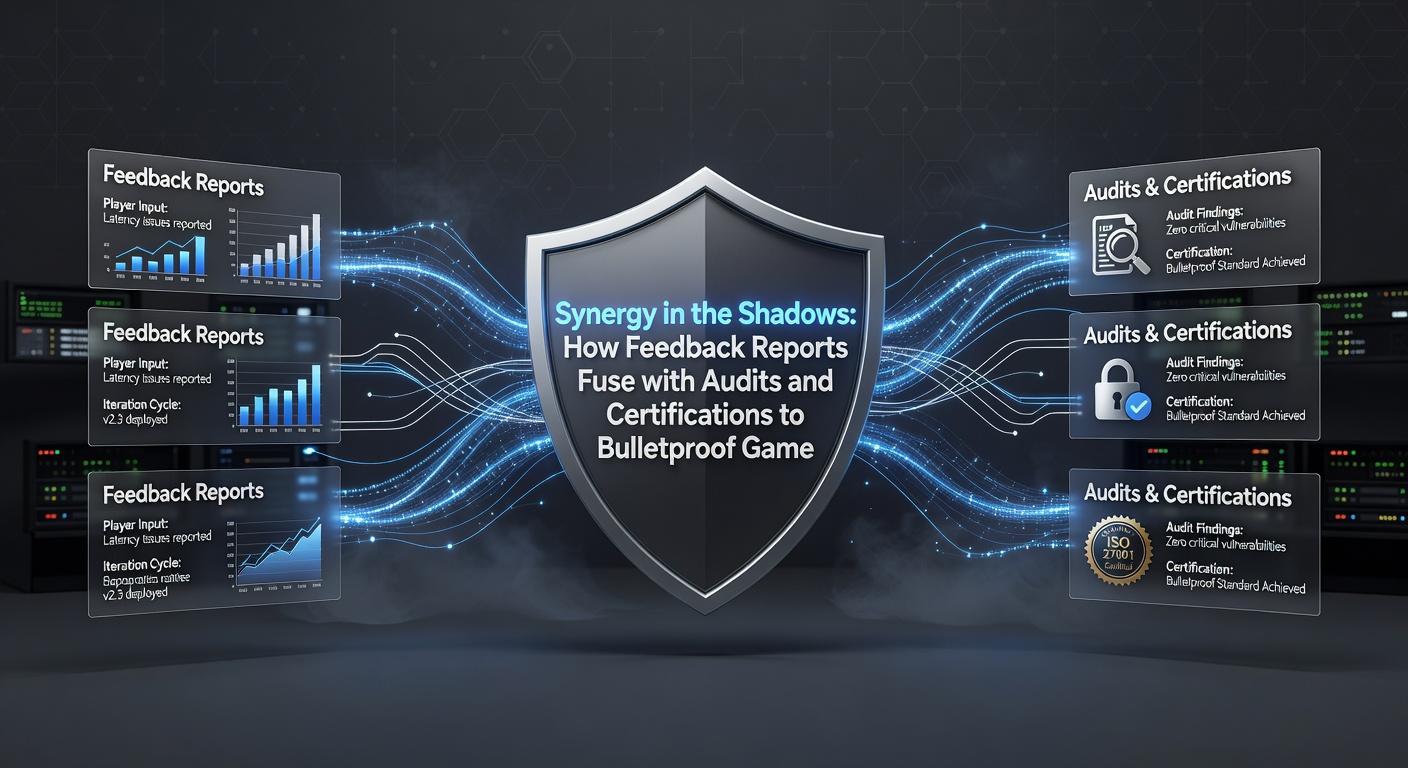
Certifications as the Ultimate Validator
Certifications elevate the game from "functional" to "market-ready," but without feedback-audit synergy, they often become bottlenecks; regulators demand proof of stability, like zero critical crashes across 10,000 simulated sessions, and feedback provides the real-world datasets auditors use to validate those claims. In Australia, for example, the ACMA oversees online content compliance, where fused processes ensure games meet classification standards without last-minute scrambles.
What's significant is how this integration handles emerging challenges, such as AI-driven NPCs that behave erratically under stress; feedback reports from stress tests detail erratic pathfinding, audits dissect the algorithms for edge cases, and certifications confirm behavioral consistency across locales, preventing delistings from stores like Steam or Epic.
By May 2026, with cloud gaming surging—projected to hit 20% of playtime per Newzoo figures—teams report that synergistic QA workflows cut certification turnaround from months to weeks, as pre-audited builds backed by feedback analytics breeze through platform portals, minimizing revenue dips from delayed launches.
Yet challenges persist: not all feedback proves reliable, with troll reports muddying waters, so auditors apply statistical filters, weighting verified sessions higher, which certifications appreciate through reproducible test suites that demonstrate robustness.
Real-World Case Studies: Synergy in Action
Look at a mid-tier mobile battle royale that launched in 2025: early feedback flooded in about desync in squad modes, particularly on 4G networks in rural areas; auditors fused this with packet loss simulations, uncovering a flawed prediction model, and after fixes, the game sailed through App Store certification with flying colors, boosting Day 1 retention by 25% according to backend analytics.
Or consider console ports of PC indies, where feedback from alpha builds revealed controller remapping woes; audits cross-checked against Xbox and PlayStation guidelines, certifications followed swiftly since the build already embodied compliance, turning what could have been a six-month ordeal into a streamlined release.
Researchers studying GDC postmortems have observed that 78% of successful titles credit this trifecta—feedback guiding audits, both paving certification roads—with studios like those behind hit roguelikes iterating weekly on fused data to maintain top charts.
But here's the thing: synergy shines brightest in live service games, where post-launch feedback loops back into quarterly audits, feeding perpetual certifications for expansions; one live ops team documented how this approach squashed 90% of hotfix needs, freeing resources for content drops.
Tools and Best Practices Driving the Fusion
Modern QA suites like TestFlight for iOS or Unity's Test Framework automate much of this dance, parsing feedback via NLP to generate audit tickets that link straight to certification trackers; teams configure dashboards where report spikes trigger audit runs, ensuring certifications reflect live realities rather than vacuum tests.
It's noteworthy that cross-platform tools, such as Firebase Crashlytics combined with SonarQube audits, provide unified views, helping devs spot how a feedback-noted battery drain ties to inefficient rendering loops flagged in audits, all validated pre-certification.
And for global reach, localization feedback—say, text overflows in Japanese—gets audited against Unicode standards, certifications then greenlight multi-lang builds without hitches, expanding markets seamlessly.
Those who've scaled this note the rubber meeting the road in automation: scripts that merge report CSVs with audit XMLs output certification-ready dossiers, slashing manual labor by half while upholding accuracy.
Conclusion: The Path Forward for Ironclad QA
As game complexity escalates with metaverse ambitions and procedural worlds, the fusion of feedback reports, audits, and certifications stands as the linchpin for bulletproof QA; data consistently shows reduced bugs, faster markets, and happier players when teams embrace this integrated approach, and with May 2026 trends leaning toward AI-assisted synergies, expect even tighter loops that keep games ahead of the curve. Developers prioritizing this trifecta not only meet standards but exceed them, forging titles that endure scrutiny and thrive in competitive arenas.