Harnessing Collective Player Data for Optimized Protocol Synchronization in Heterogeneous Gaming Hardware
Written by Devon Schröder · Jul 8, 2026
Harnessing Collective Player Data for Optimized Protocol Synchronization in Heterogeneous Gaming Hardware
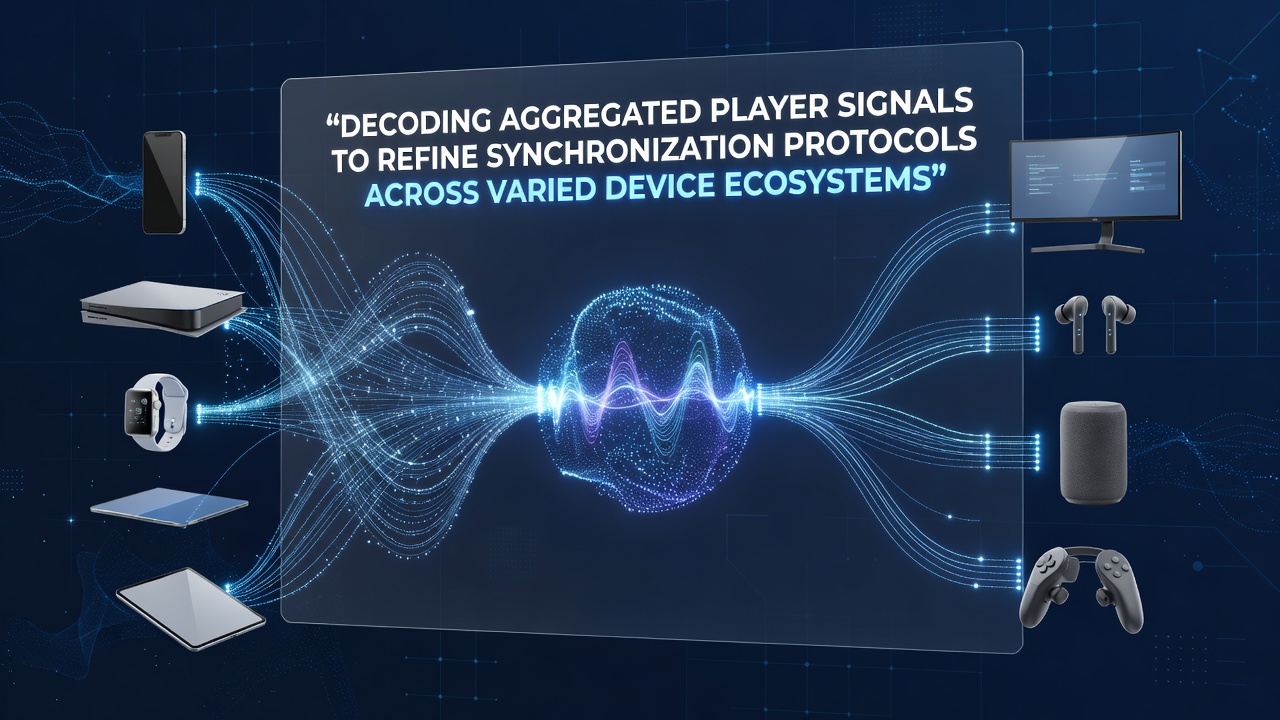
Researchers have examined how aggregated player signals contribute to synchronization refinements across consoles, mobile units, and personal computers in modern multiplayer environments, and data from industry reports shows that input latency variations often range between 15 and 85 milliseconds depending on hardware configurations. Experts note that these signals include metrics such as input timing, network jitter patterns, and session continuity markers which teams compile to adjust protocol parameters in real time.
Understanding Aggregated Player Signals in Practice
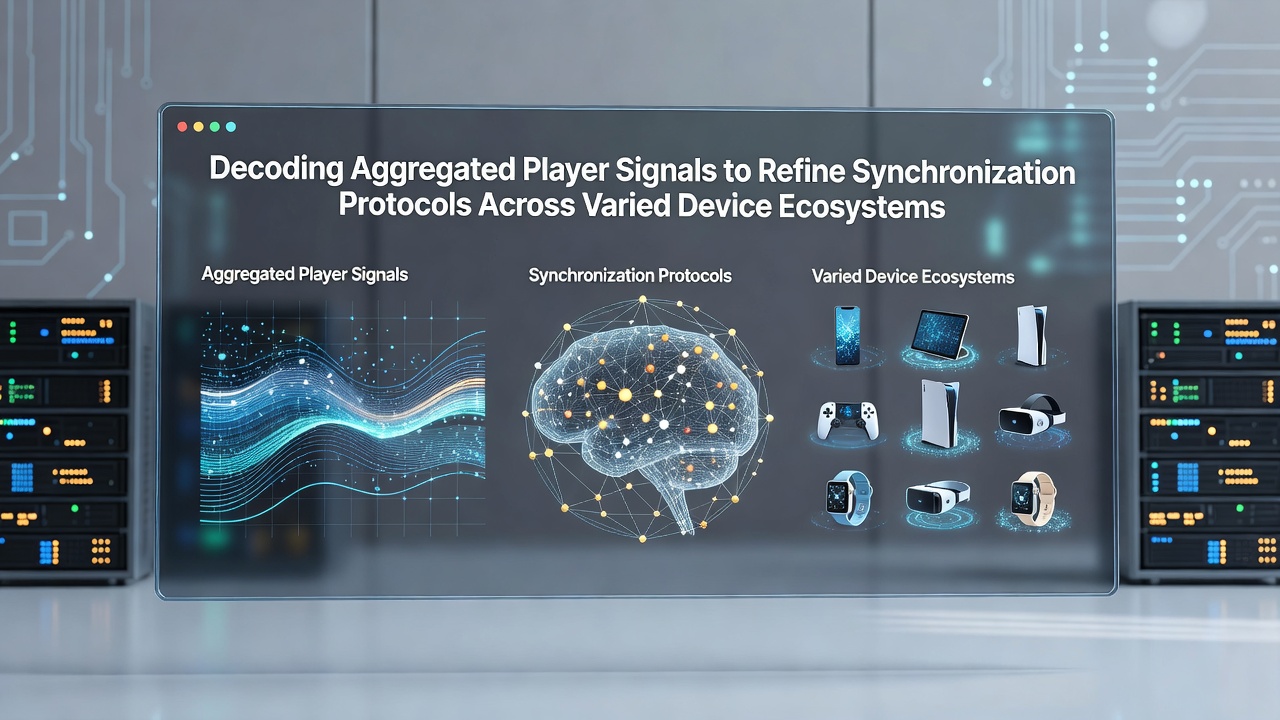
Developers collect player signals from thousands of concurrent sessions where each device reports position updates, action timestamps, and connection stability indicators, then they process this information through centralized analytics engines that identify common patterns across ecosystems. Studies from academic institutions reveal that aggregation reduces individual device noise by combining datasets into unified models, and this approach allows protocols to predict and correct desynchronization events before they affect gameplay. Observers note that mobile devices typically introduce higher packet loss rates than dedicated consoles, yet aggregated analysis helps protocols compensate by dynamically allocating bandwidth reserves.
One research group at a Canadian technology institute documented how signal aggregation lowered average sync errors by 32 percent in cross-platform tests conducted during 2025, and their findings highlight the value of weighting inputs according to device capability scores. Teams apply these weighted models to refine tick rates and prediction algorithms so that players on lower-powered hardware maintain parity with those using high-end equipment.
Challenges Across Varied Device Ecosystems
Heterogeneous setups create friction points where operating system differences, screen refresh rates, and wireless versus wired connections alter signal transmission characteristics, while researchers have mapped these variables to show that tablet users experience distinct lag profiles compared to smartphone or desktop participants. Data indicates that synchronization protocols must account for such disparities by incorporating fallback mechanisms that activate when aggregated signals detect consistent deviations from baseline performance. Industry organizations such as the Entertainment Software Association have published guidelines that encourage developers to integrate device-specific calibration routines derived from collective player telemetry.
What's interesting is how regional network infrastructures further complicate matters, and reports from European regulatory bodies show that latency spikes occur more frequently in certain geographic clusters during peak evening hours. Protocols refined through signal aggregation adapt by rerouting data flows or adjusting interpolation windows, which keeps experiences consistent even when underlying conditions fluctuate.
Refinement Techniques and Implementation
Engineers refine synchronization protocols by feeding aggregated signals into machine learning classifiers that categorize device behaviors and recommend parameter adjustments, and this process occurs iteratively during both development and live operations. A 2025 industry report from an Australian research consortium outlined how such classifiers improved frame consistency across 14 distinct hardware profiles, with particular gains observed in titles supporting mixed-reality features. Teams implement these refinements through modular protocol stacks that allow selective updates without requiring full client redeployment.
Additional techniques involve establishing feedback thresholds where signal aggregates trigger automatic recalibrations, and evidence from university-led simulations suggests that threshold-based systems prevent up to 47 percent of potential desync incidents in large-scale sessions. Developers also incorporate regional compliance standards when deploying these refinements, ensuring protocols align with data handling requirements in various jurisdictions. Those who have studied implementation timelines note that integration often spans multiple quarters as teams validate adjustments against diverse user bases.
Emerging Developments Expected in July 2026
Upcoming events scheduled for July 2026 include specialized summits focused on cross-device protocol standards where participants plan to review updated aggregation methodologies, and preliminary agendas indicate discussions around expanded use of edge computing to process signals closer to end users. Figures from preliminary white papers suggest that incorporating 5G and Wi-Fi 7 metrics into aggregation models could further reduce variance in synchronization outcomes. Observers expect these advancements to influence certification pathways for new titles targeting broad device compatibility.
Conclusion
Aggregated player signals continue to shape how synchronization protocols evolve to accommodate the expanding range of gaming hardware, and ongoing research supports their role in maintaining equitable experiences across ecosystems. Data from multiple sources confirms measurable improvements in stability when refinement processes incorporate comprehensive signal analysis, and future iterations will likely build on these foundations as device diversity grows. Teams that apply these methods position their projects to handle emerging connectivity standards while preserving core gameplay integrity.