Mapping Mobile Device Ecosystems: Feedback Integration and Its Impact on Gaming Certification Timelines
Written by Nils Sullivan · Aug 12, 2026
Mapping Mobile Device Ecosystems: Feedback Integration and Its Impact on Gaming Certification Timelines
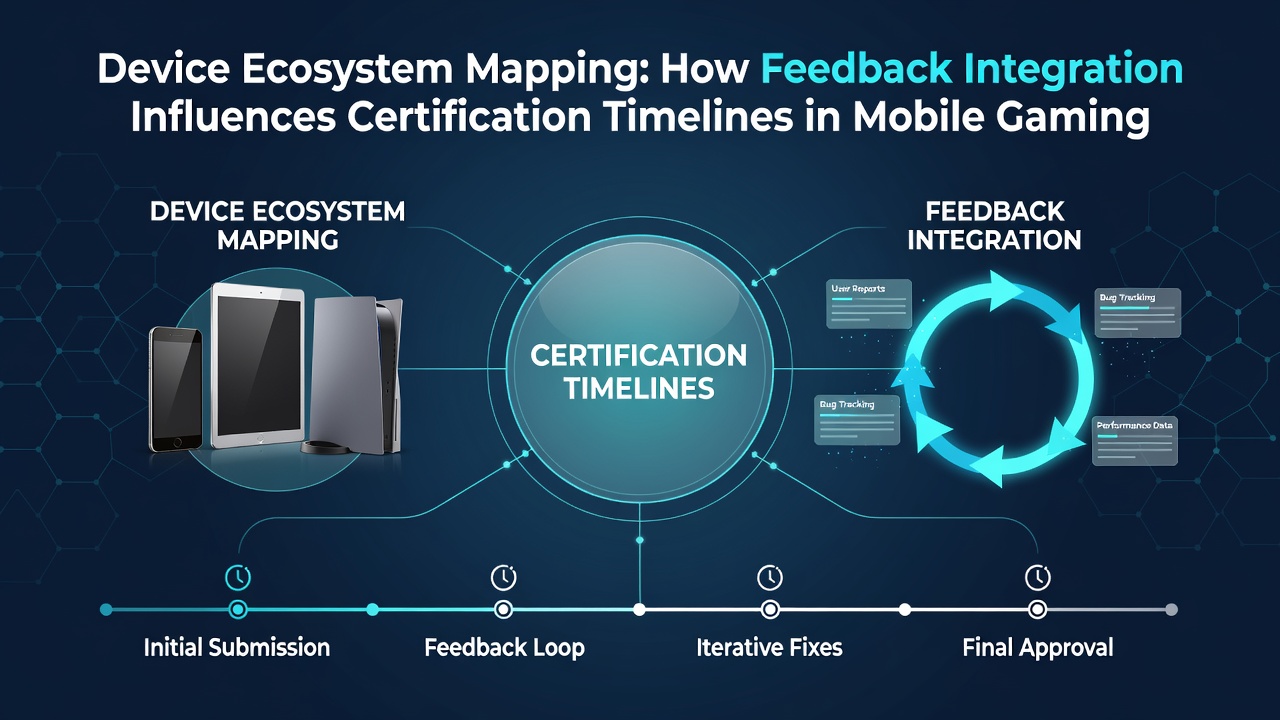
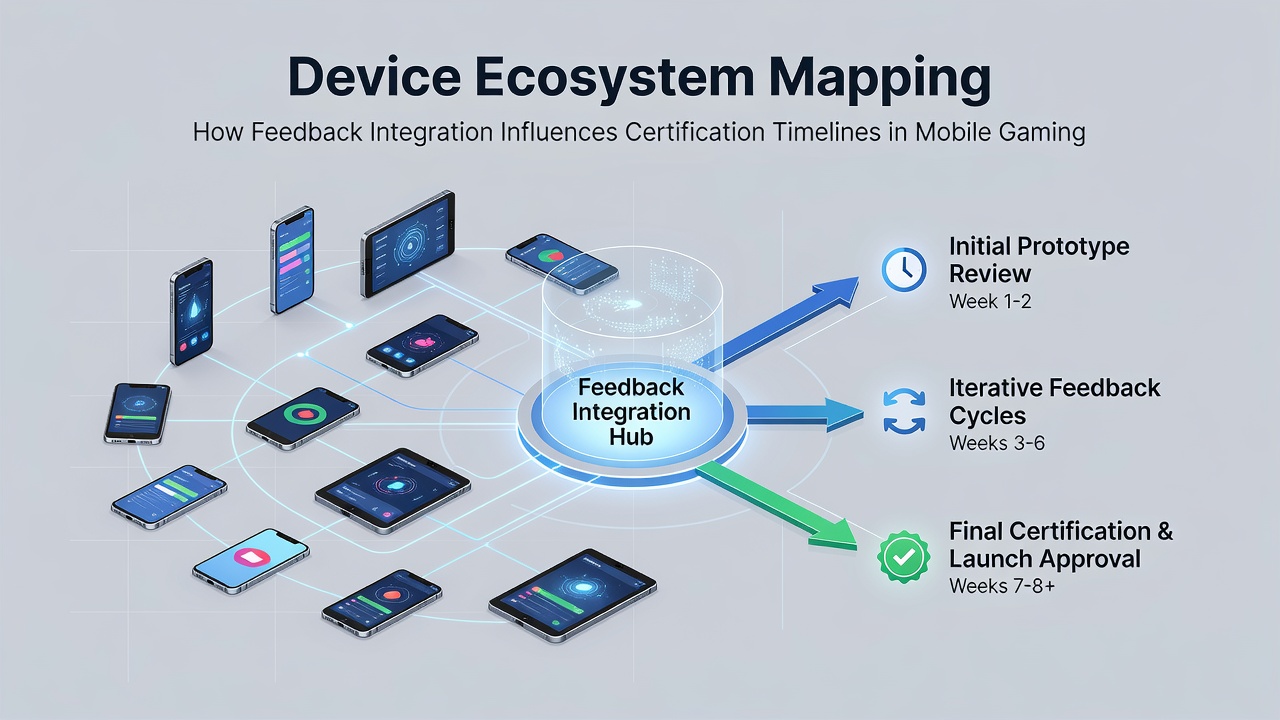
Device ecosystem mapping involves charting the wide array of mobile hardware configurations, operating system versions, screen resolutions, and processor capabilities that games must support across global markets. Researchers at industry analysis firms track these variables to create layered diagrams that highlight compatibility risks before testing begins, and data from 2025 reports show that such mapping reduces unexpected failures during later validation stages by up to 30 percent according to aggregated developer surveys. Feedback integration enters this process when user reports, beta tester logs, and automated crash data feed directly into the ecosystem models, allowing teams to prioritize device clusters that show recurring issues and adjust development schedules accordingly.
Building Accurate Device Profiles Through Structured Mapping
Teams begin by collecting specification data from manufacturers and public databases, then organize the information into grids that group devices by shared components such as GPU families or memory allocations. Observers note that this structure reveals patterns where certain mid-range chipsets from specific regions experience higher rates of thermal throttling during extended play sessions, and those patterns become reference points for certification planning. When feedback streams arrive from early access players, analysts overlay the reports onto these grids so that high-frequency bug locations receive immediate attention while low-risk device groups move forward through standard review queues.
How Feedback Loops Alter Certification Schedules
Certification timelines for mobile games typically span several weeks as platforms conduct their own compatibility checks alongside publisher requirements. Studies from research institutions indicate that early integration of structured feedback can compress these timelines by identifying device-specific problems before formal submission. In one documented case from a European studio, aggregated player reports on a particular chipset variant prompted targeted code adjustments that eliminated the need for a second round of platform testing, saving approximately 12 days. The process works because feedback data gets tagged to specific ecosystem nodes, enabling developers to demonstrate proactive fixes during certification reviews rather than reacting to platform rejections after initial submission.
Regional Variations in Device Ecosystems and Their Effects
Markets in Asia, North America, and Europe present distinct device distributions that mapping exercises must account for separately. Australian regulatory bodies have published guidelines on accessibility testing that intersect with ecosystem models, requiring developers to verify performance on devices popular in remote areas with limited network infrastructure. Meanwhile, data from Canadian research groups highlights how feedback from French-language users often surfaces localization-related rendering issues on tablets that standard English beta tests miss. These regional inputs get merged into unified maps so that certification teams can allocate testing resources proportionally and avoid delays caused by late discovery of market-specific problems.
Technology Tools That Support Real-Time Updates
Modern mapping platforms incorporate APIs that pull live data from app stores and analytics services, updating device profiles as new hardware launches or firmware versions roll out. Analysts at academic centers studying mobile development pipelines report that these dynamic updates allow feedback integration to occur within hours rather than days, which in turn keeps certification forecasts accurate. When a sudden spike in reports appears for devices running a recent OS patch, the system flags the affected nodes and triggers additional validation tasks without disrupting the overall timeline. This responsiveness proves especially useful around major hardware releases, such as the wave of new foldable models expected in August 2026, where rapid feedback loops help teams maintain certification momentum.
Case Examples From Cross-Platform Projects
One studio working on a multiplayer title used ecosystem mapping combined with feedback tagging to resolve network latency complaints that appeared predominantly on older Android variants in Southeast Asia. The team rerouted development priorities, completed targeted optimizations, and submitted an updated build that passed certification on the first attempt. Another project involving a racing game incorporated hardware sensor data from user devices to refine physics calculations, resulting in smoother certification across multiple processor families. These examples illustrate how mapped ecosystems serve as living documents that absorb feedback continuously and translate it into measurable schedule improvements.
Conclusion
Device ecosystem mapping paired with systematic feedback integration provides mobile gaming teams with structured visibility into certification requirements. Data from multiple sources shows that this combination supports earlier problem detection and more efficient resource allocation during approval processes. As device diversity continues to expand, the practice of maintaining updated maps that incorporate real-world usage reports remains central to managing timelines effectively across global release schedules.