Metrics of Stability: Examining the Interconnected Roles of Audits, Reviews, and Checks Within Virtual Environments
Written by Zara Vogel · May 20, 2026
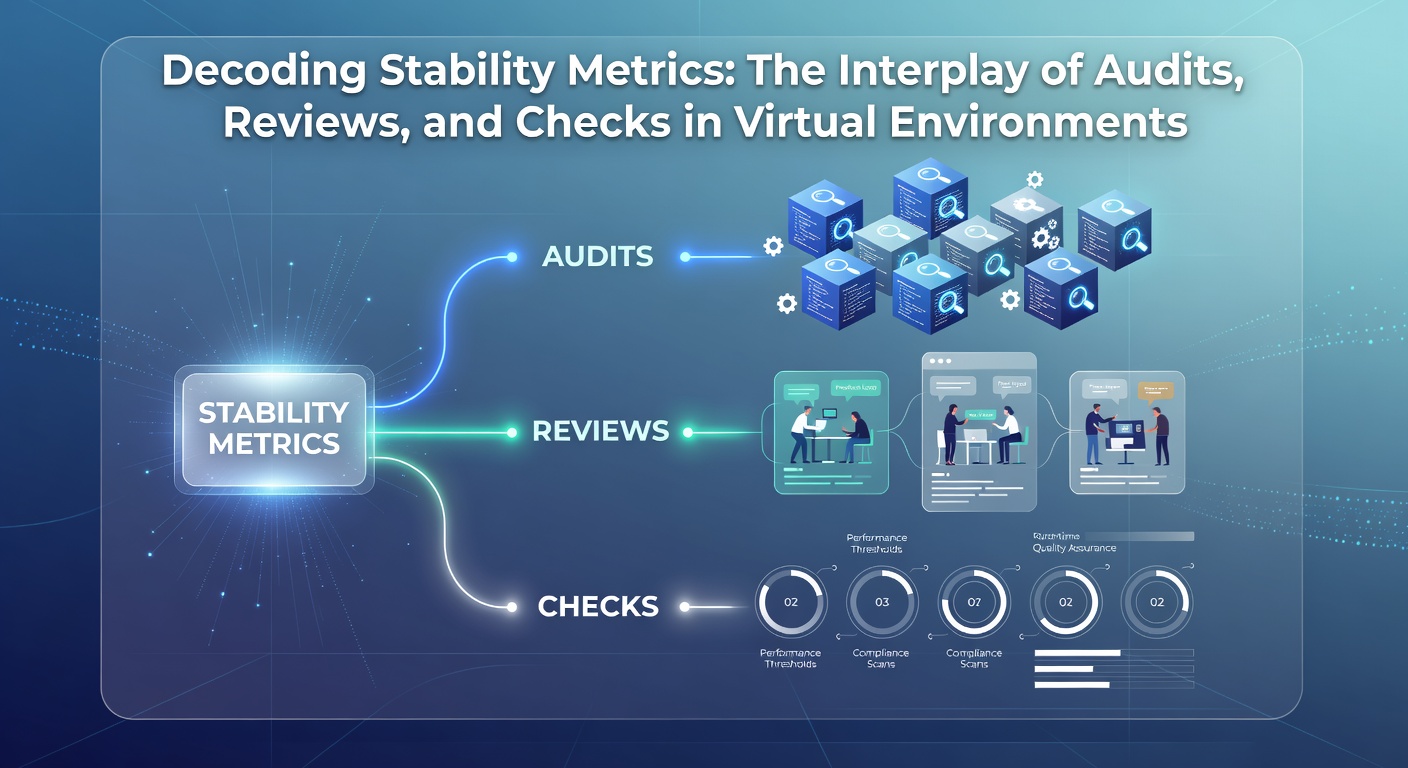
Metrics of Stability: Examining the Interconnected Roles of Audits, Reviews, and Checks Within Virtual Environments
Virtual environments have grown into essential infrastructure for businesses and research institutions alike, and stability metrics now serve as the quantitative backbone that tracks performance consistency across these simulated systems. Researchers track metrics such as uptime percentages, resource allocation variance, and latency thresholds to establish baselines that reflect operational health. Data from industry reports indicates these measurements help teams identify deviations before they escalate into larger disruptions, particularly when combined with systematic audits that examine configuration integrity and compliance with established protocols.
Defining Core Stability Metrics in Simulated Systems
Stability metrics encompass several key indicators that together paint a picture of how reliably a virtual environment performs under varying loads. Observers note that central processing unit utilization rates, memory leak detection scores, and network throughput consistency often appear at the top of monitoring dashboards because they directly correlate with user experience and system longevity. Studies from academic institutions show that when these figures remain within predefined ranges over extended periods, overall environment reliability increases measurably, whereas fluctuations frequently signal underlying architectural weaknesses that require attention through structured reviews.
The Function of Audits in Maintaining Metric Accuracy
Audits function as periodic deep dives that validate whether collected stability metrics accurately represent real conditions inside virtual machines and containers. Experts have observed that external auditors typically cross-reference log files, hypervisor settings, and automated monitoring outputs against regulatory frameworks to uncover discrepancies that internal teams might overlook. In May 2026 several virtualization platforms adopted enhanced audit trails that automatically timestamp every configuration change, allowing reviewers to trace metric shifts back to their originating events with greater precision and speed.
Those who conduct these examinations often employ both manual inspection techniques and specialized software tools that scan for unauthorized modifications or outdated patches. Evidence suggests such combined approaches reduce the incidence of metric drift, where reported stability values gradually diverge from actual system behavior over weeks or months. Organizations across North America and Europe increasingly schedule quarterly audits to align with evolving security standards issued by bodies such as the National Institute of Standards and Technology.
Integrating Reviews and Continuous Checks
Reviews serve as the interpretive layer that transforms raw stability data into actionable insights, while ongoing checks provide the real-time verification layer that keeps metrics trustworthy between formal audits. Teams frequently schedule peer reviews that examine trend lines across multiple virtual instances, looking for patterns that might indicate resource contention or inefficient load balancing. Automated checks running at five-minute intervals meanwhile capture instantaneous snapshots of CPU, disk, and memory performance, feeding these readings into centralized dashboards that flag anomalies within seconds of detection.
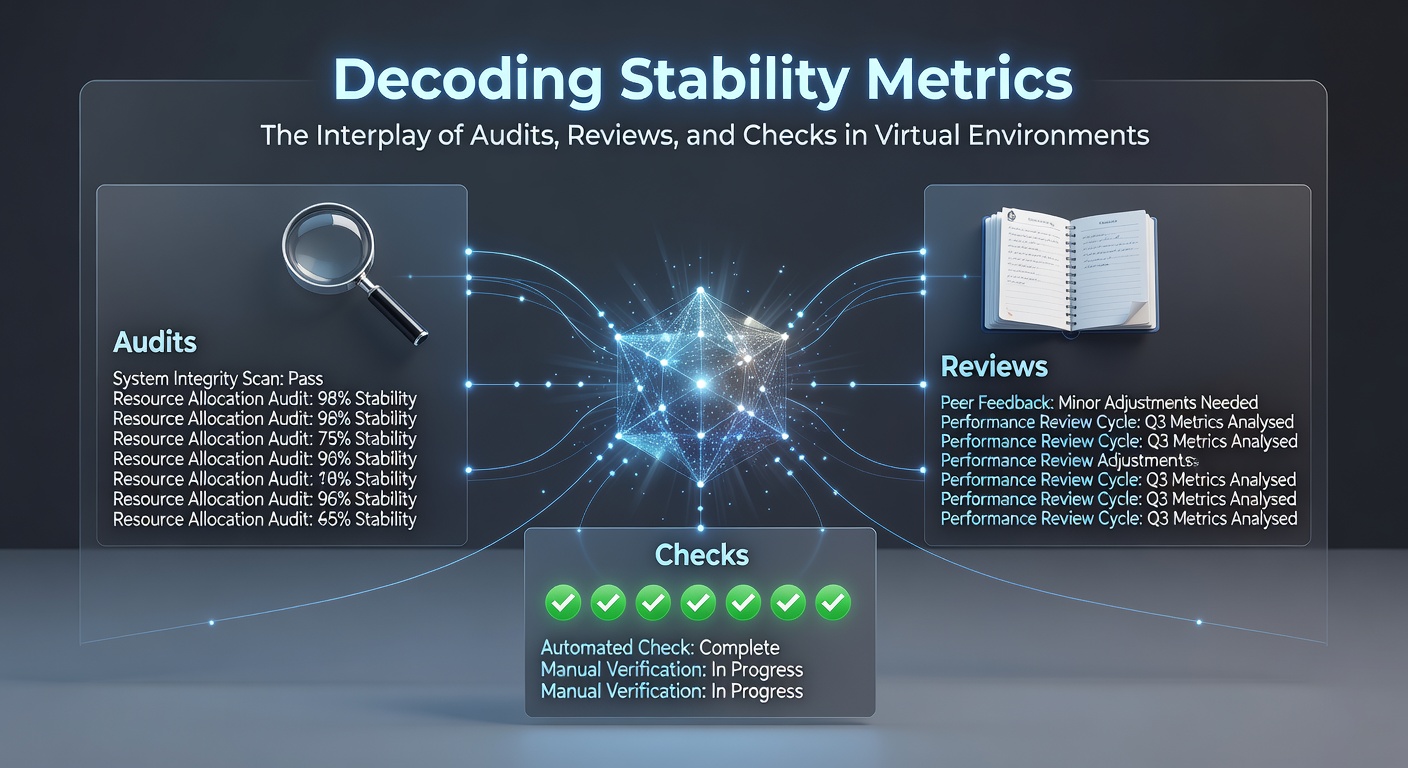
What's interesting is how these three processes reinforce one another: an audit might reveal that a particular metric threshold needs recalibration, prompting reviewers to adjust evaluation criteria, which in turn influences the sensitivity settings of continuous checks. Research published by European cybersecurity agencies demonstrates that environments employing tightly integrated audit-review-check cycles experience up to 40 percent fewer unplanned outages compared with those relying on isolated monitoring methods. Such findings encourage administrators to view the three components not as separate tasks but as an interdependent framework that evolves alongside the virtual infrastructure itself.
Case Examples from Enterprise Deployments
One multinational corporation operating a large-scale virtual desktop infrastructure found that combining monthly third-party audits with weekly internal reviews and constant health checks allowed them to maintain 99.95 percent uptime across thousands of virtual workstations. Another research facility using containerized environments for scientific simulations reported that stability metric variance dropped significantly once automated checks began triggering immediate review workflows whenever thresholds were breached. These examples illustrate how different sectors adapt the same core interplay to suit their specific operational demands and risk profiles.
Conclusion
The interplay between audits, reviews, and checks continues to define how organizations measure and safeguard stability within virtual environments. As virtualization technologies advance and new standards emerge, the relationships among these practices will likely grow even more tightly coupled, supported by increasingly sophisticated tooling and data analysis methods. Professionals working in this domain recognize that sustained attention to all three elements produces the most reliable outcomes for systems that must perform consistently under diverse conditions.