The Lattice of Reliability: Exploring Interconnected Checks Across Platforms for Seamless Multiplayer Experiences
Written by Nils Sullivan · Jun 19, 2026
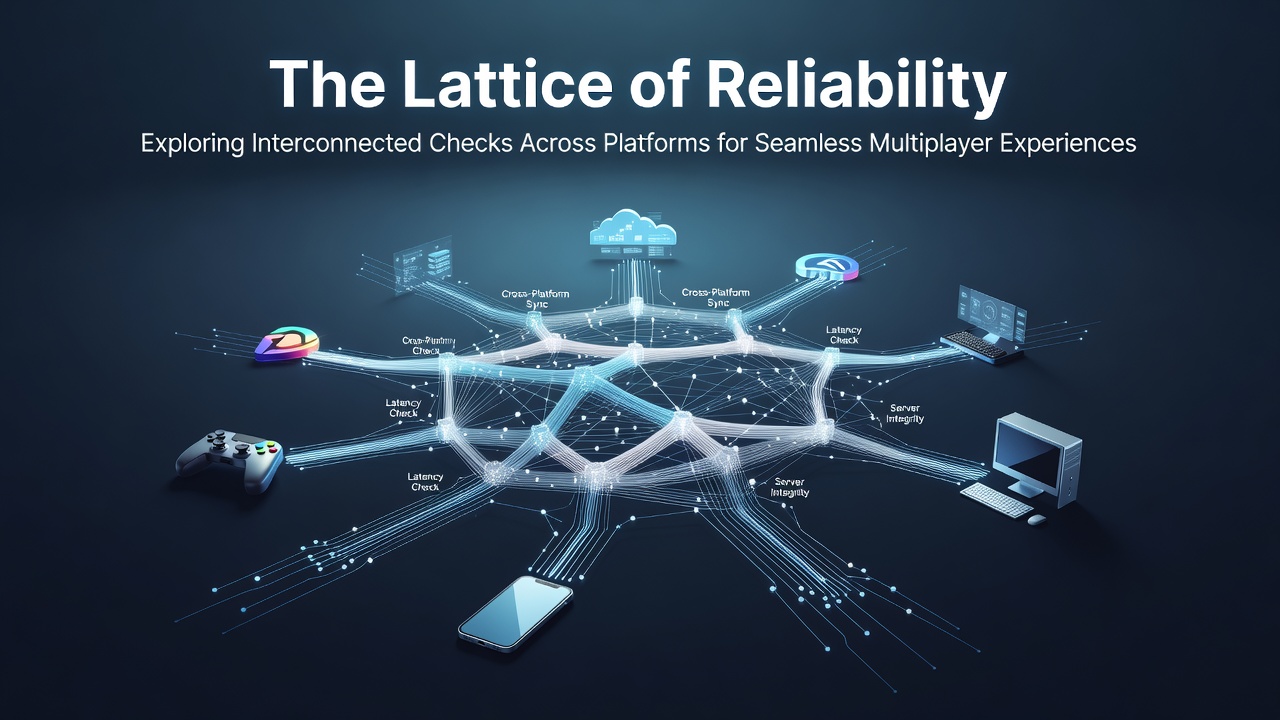
The Lattice of Reliability: Exploring Interconnected Checks Across Platforms for Seamless Multiplayer Experiences
Multiplayer games rely on networks of validation processes that span software audits, hardware evaluations, and compliance mappings, all working together to maintain stability during live sessions. These elements form what observers describe as a lattice structure where each check connects to others, creating pathways that prevent isolated failures from disrupting entire experiences. Data from industry reports shows that synchronized validation across platforms reduces desync incidents by measurable margins in titles supporting cross-play features.
Defining the Lattice Through Platform Integration
Platform operators implement layered assessments that link device performance scans with real-time network monitoring, while aggregated user input feeds into certification pathways. Researchers at various institutions have mapped these connections, noting how a hardware evaluation on one console directly influences software patch priorities on mobile clients. In June 2026, several major developers aligned their protocols with updated cross-platform standards issued by regulatory bodies in multiple regions, resulting in unified reporting formats that streamline data exchange between teams.
Those who study these systems observe that the lattice extends beyond single-game environments, incorporating checks from cloud services and dedicated servers. Compliance frameworks from the European Union, for instance, require documentation of security validations that must align with hardware stress results gathered in North American testing labs. This alignment ensures that latency spikes detected on one setup trigger corresponding reviews elsewhere in the network.
Hardware and Software Nodes in the Structure
Hardware inspections form foundational nodes by exposing thermal limits and memory allocation patterns under sustained multiplayer loads. These findings connect directly to software audits that verify code paths for synchronization routines, preventing mismatches that could surface during peak concurrent player counts. Figures from the Entertainment Software Association reveal that integrated hardware-software validation cycles shortened certification timelines for several 2025 releases supporting seamless cross-platform sessions.
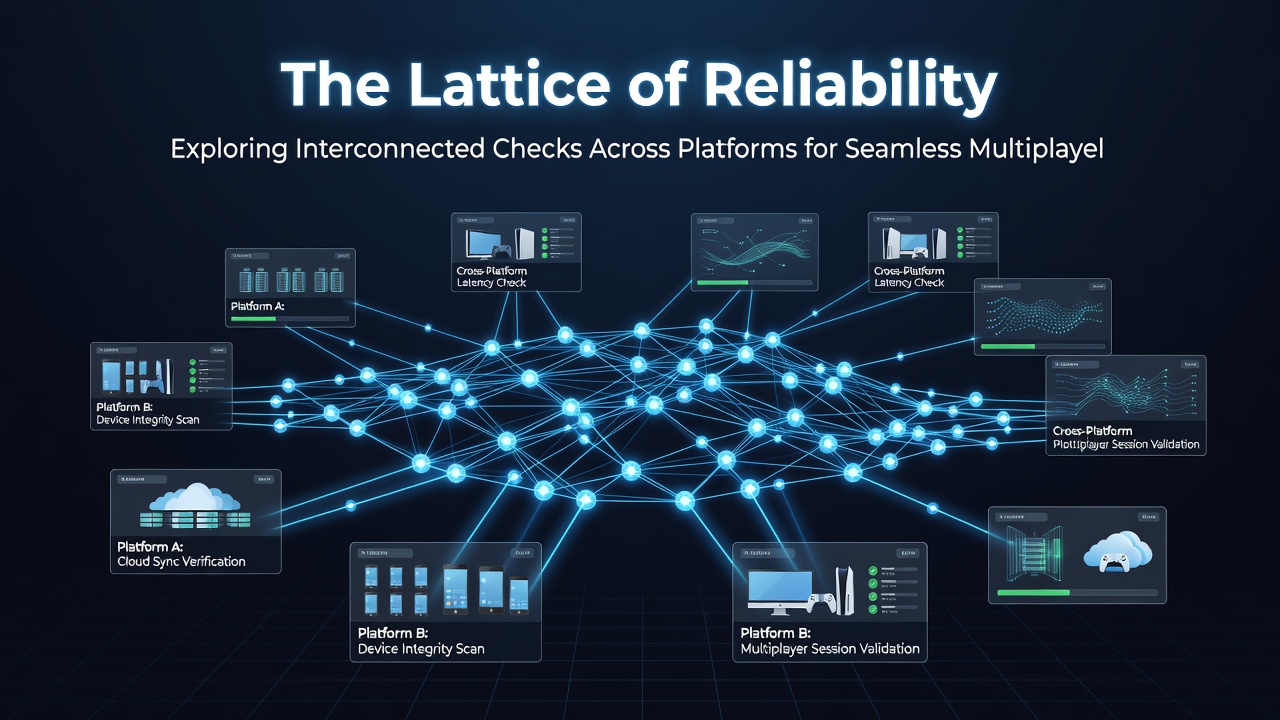
Device harmony emerges when validation grids account for variations in input latency across controllers, touchscreens, and keyboards, with each layer feeding performance benchmarks back into a central compliance map. Observers note that a single benchmark deviation on a high-end PC rig often prompts targeted audits on lower-spec mobile devices to maintain parity. This interconnected approach avoids the fragmentation that once characterized early multiplayer deployments.
User Feedback and Certification Pathways
Aggregated input from players supplies dynamic data points that reinforce the lattice at runtime, allowing systems to flag anomalies missed during initial audits. Academic studies from institutions in Australia and Canada have documented how feedback loops accelerate the identification of platform-specific issues, such as controller mapping inconsistencies that affect competitive balance in shared sessions. These reports integrate with formal certification processes to update validation criteria iteratively.
Regulatory agencies in different jurisdictions now emphasize the need for traceable connections between user-reported metrics and underlying technical assessments. A Canadian digital innovation report from early 2026 highlighted cases where feedback-driven adjustments improved stability metrics across console and PC environments simultaneously. The process relies on standardized data schemas that permit seamless transfer of findings between development studios and oversight bodies.
Cross-Platform Synchronization Challenges and Solutions
Multiplayer architectures demand that checks for network resilience align with content delivery validations to handle variable connection qualities. When one platform detects packet loss patterns, the lattice routes that information to prompt hardware recalibrations on connected devices, maintaining consistent frame delivery rates. Industry analyses indicate that such routing mechanisms contributed to fewer session interruptions in titles updated during the first half of 2026.
Validation webs extend into security domains as well, where encryption audits link with access control evaluations to protect against exploits that could compromise shared game states. Experts tracking these developments point to unified protocols adopted across regions, which reduce duplication while preserving the integrity of each interconnected node. This structure supports the scaling required for large-scale events without introducing new points of failure.
Conclusion
The lattice of reliability continues to evolve through deliberate integration of checks that span hardware, software, compliance, and user contributions across diverse platforms. Evidence from ongoing implementations demonstrates how these connections sustain the operational continuity essential for multiplayer engagement. Future refinements will likely strengthen the pathways between nodes as developers respond to expanding player bases and emerging hardware configurations.