When Code Meets Console: The Convergence of Software Reviews, Physical Component Checks, and Player Insights in Achieving Release Standards
Written by Devon Schröder · Jul 1, 2026
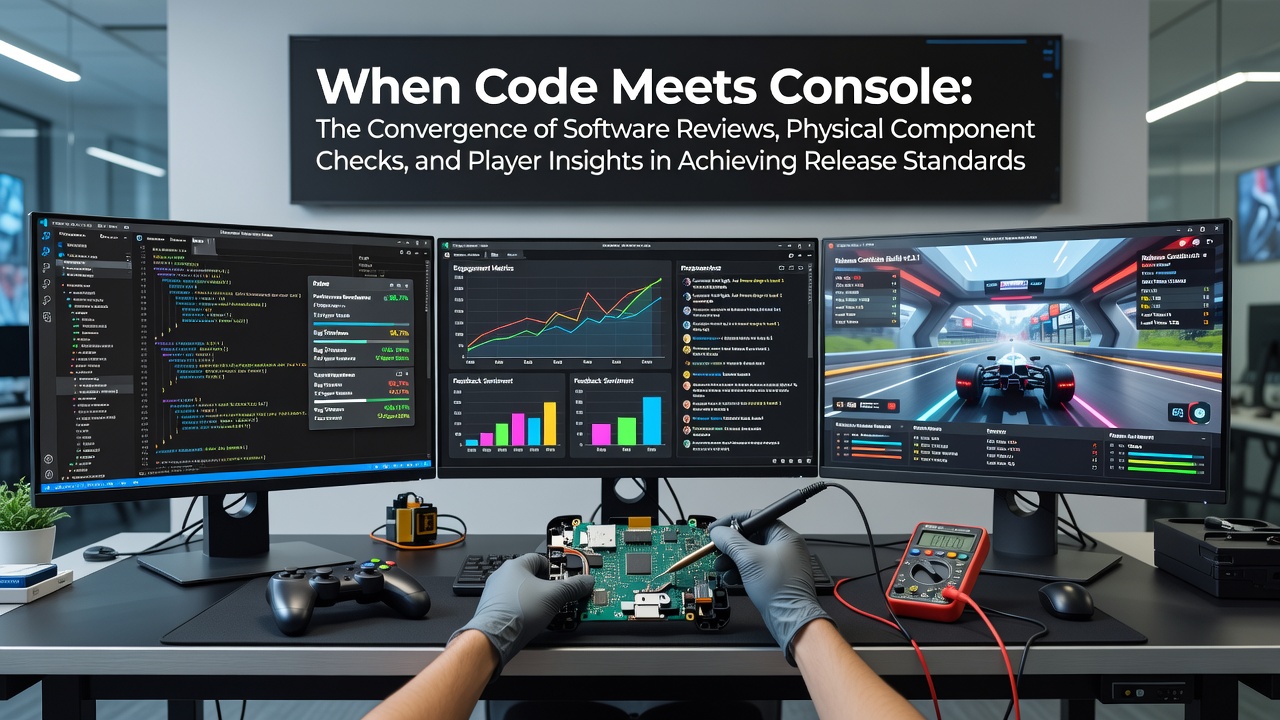
When Code Meets Console: The Convergence of Software Reviews, Physical Component Checks, and Player Insights in Achieving Release Standards
Software reviews, physical component checks, and player insights form interconnected pathways that shape how games reach release standards across multiple platforms. Development teams coordinate these elements through structured pipelines where code evaluations feed directly into hardware assessments while aggregated player data refines final adjustments before certification deadlines.
Software Reviews as the Foundation Layer
Teams conduct systematic software reviews that examine source code, identify vulnerabilities, and verify compliance with platform-specific requirements. These audits run through automated scanning tools combined with manual inspections that catch edge cases missed by scripts alone. Data from organizations like the Entertainment Software Association shows consistent patterns where early code reviews reduce downstream issues by measurable margins in cross-platform projects.
Review cycles often align with milestone gates that require documentation of fixes and retesting before progression. Engineers trace dependencies across modules to ensure stability under varied load conditions while maintaining compatibility with evolving operating system updates. Observers note that integrated review environments allow simultaneous tracking of performance metrics and security flags throughout the process.
Physical Component Checks in Console Environments
Hardware evaluations extend beyond basic functionality to include stress testing on actual console units under controlled thermal and power conditions. Technicians measure frame consistency, input latency, and memory allocation across multiple device configurations that mirror consumer setups. These checks expose discrepancies between development environments and retail hardware that simulation alone cannot replicate.
Validation protocols require repeated cycles of boot sequences, network interactions, and peripheral connections to confirm reliable operation. Research from institutions tracking console certification trends indicates that physical inspections frequently uncover firmware interactions overlooked during initial software passes. Teams document results in centralized systems that link hardware findings back to specific code commits for targeted remediation.
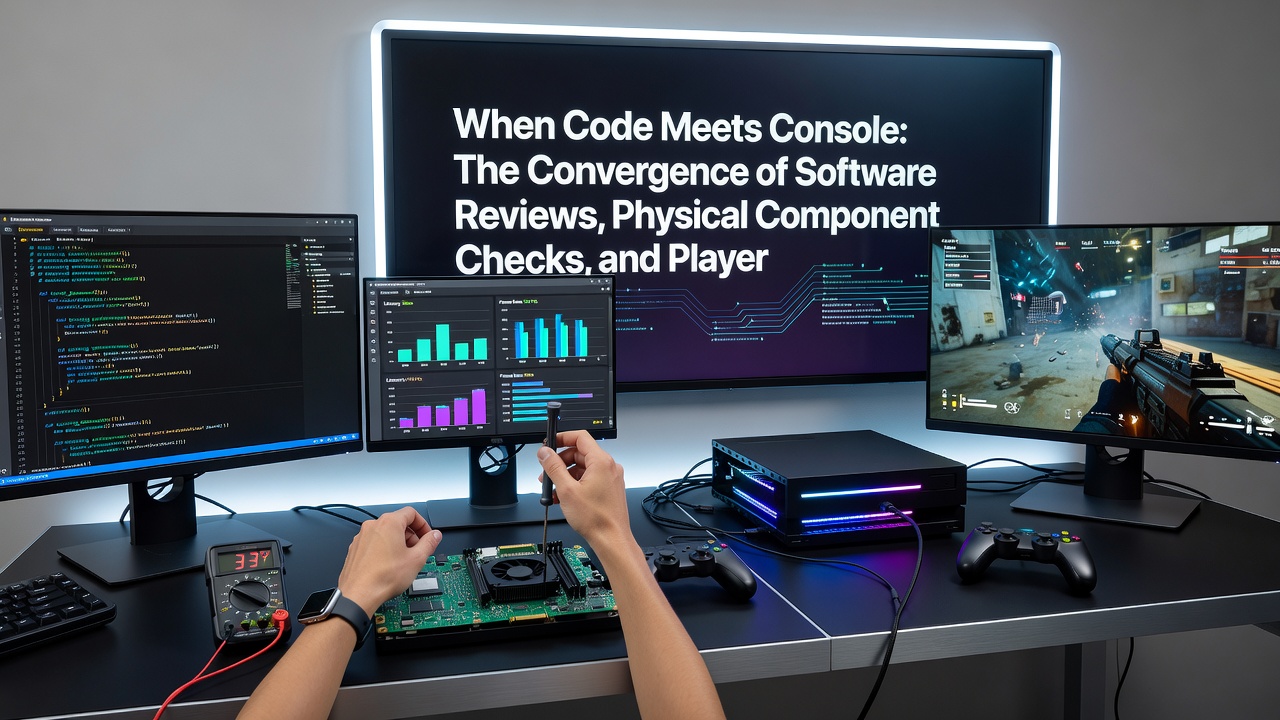
Player Insights Driving Iterative Refinement
Feedback collection from closed betas and early access programs supplies quantitative and qualitative data that informs adjustments across both software and hardware dimensions. Analysts aggregate crash reports, performance complaints, and usability observations into prioritized lists that developers address in subsequent builds. This layer adds real-world usage patterns that laboratory testing environments rarely capture in full scope.
Platforms integrate player data streams with internal dashboards so teams can correlate reported issues with logged telemetry from review and check phases. Studies from European research networks on interactive media development reveal that incorporating player metrics accelerates certification timelines when aligned properly with existing audit trails. Iterative loops continue until thresholds for stability and engagement metrics are consistently met across sampled user groups.
Integrated Pathways Toward Release Standards
Convergence occurs through shared documentation platforms where software review outcomes, hardware test results, and player feedback summaries converge into unified compliance reports. Project managers track dependencies across these domains to prevent bottlenecks that arise when one area lags behind others. Certification bodies reference these integrated records during final evaluations that determine market readiness.
As of July 2026, updated platform guidelines emphasize synchronized validation across software, hardware, and user dimensions for titles targeting simultaneous multi-region launches. Industry reports highlight how teams employing layered mapping techniques achieve higher pass rates on first submission attempts compared to sequential approaches. The process relies on continuous synchronization rather than isolated phases to maintain momentum through final certification stages.
Conclusion
Release standards emerge from the deliberate alignment of software reviews that secure code integrity, physical component checks that validate hardware compatibility, and player insights that ground expectations in actual usage data. These elements operate within feedback systems that route findings across teams efficiently. Development pipelines continue evolving to support tighter integration among these assessment methods as platform requirements advance.